2026 Top Door Access Control Kit Types for Global Buyers

Choosing a Door Access Control Kit in 2026 requires more than comparing prices and reader designs. Global buyers must examine credentials, installation conditions, software support, maintenance, and data protection. A kit that performs well in a dry office may struggle at a humid warehouse entrance. Dust, poor cabling, power interruptions, and heavy daily traffic can quickly reveal weak components.

Bruce Schneier, a recognized security technologist, said, “Security is a process, not a product.” This principle remains highly relevant to modern door access systems. A reliable kit should combine readers, locks, controllers, exit devices, power supplies, and management software. It should also support clear user permissions, audit records, emergency release procedures, and secure updates. These details matter.

Small choices matter.

This guide examines the leading Door Access Control Kit types for global buyers, including standalone, networked, biometric, mobile, and hybrid solutions. Each type offers practical strengths, but none is ideal for every building. Biometric systems may improve identity assurance, yet enrollment and privacy concerns require careful handling. Mobile credentials can simplify administration, but battery failure and device compatibility deserve attention. Cloud platforms may reduce local hardware demands, although connectivity risks should not be ignored.

There is no universal winner. That assumption needs testing. Buyers should compare the kit with door materials, user volume, climate, connectivity, local safety requirements, and long-term service capacity. Recommendations should come from documented testing, experienced installers, and transparent supplier support. A dependable purchase is not merely a locked door. It is a maintainable access process that remains understandable during ordinary use and unexpected failure.

2026 Top Door Access Control Kit Types for Global Buyers

Definition and Core Components of Door Access Control Kits

2026 Top Door Access Control Kit Types for Global Buyers

Definition and Core Components of Door Access Control Kits

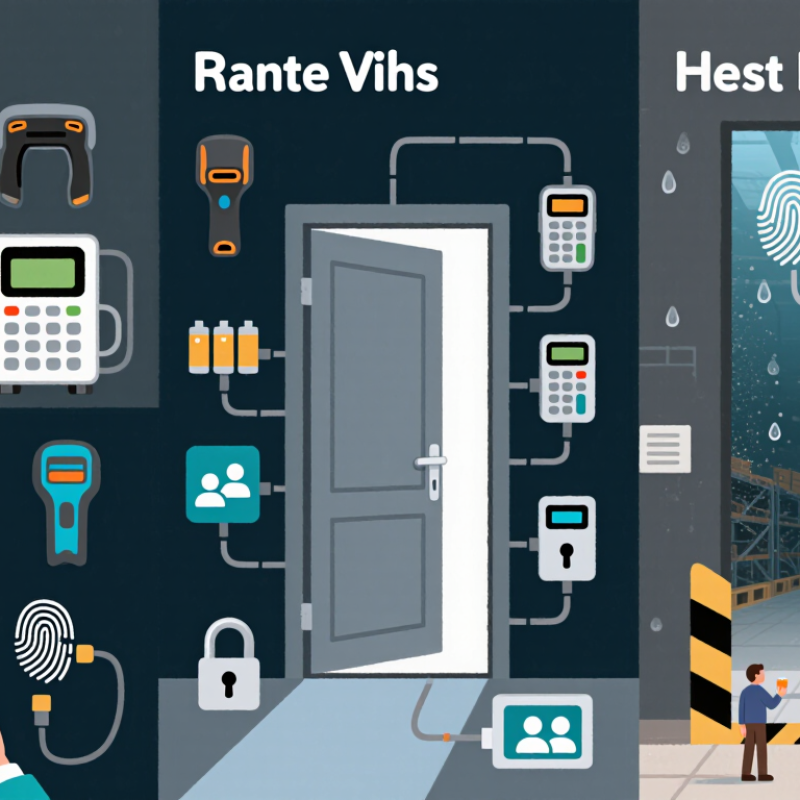
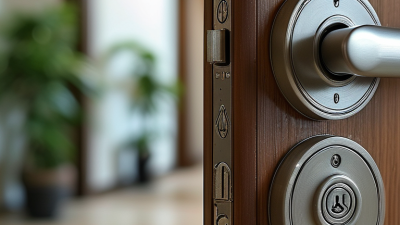
A door access control kit is a coordinated system that verifies identity and manages entry through one door. Its core parts include a credential reader, controller, electronic lock, power supply, exit device, and door-position sensor. Many kits also include management software, network communication, and event records. The reader may accept cards, mobile credentials, PINs, or biometrics. The controller makes the access decision. The lock performs it.

MarketsandMarkets estimated the global access control market at about USD 10.3 billion in 2024. Its report projects approximately USD 15.2 billion by 2029. This growth reflects demand for centralized administration and clearer entry records. In practical installations, however, the smallest parts often matter most. A weak power budget, poor cable routing, or an unsuitable lock can stop a reliable reader from working. A kit may look complete on paper. Site conditions still decide performance.

Tips: Match the lock with door material, traffic volume, fire requirements, and backup-power needs. Check whether the controller supports local operation during network loss. Request a wiring diagram and test the exit button before handover. Do not treat cloud connectivity as a complete security plan. A professional survey remains necessary, because standardized kits cannot predict every doorway.

2026 Top Door Access Control Kit Types for Global Buyers

Definition and core components of a representative single-door access control kit

The chart shows the typical hardware quantity in a representative single-door access control kit. A basic kit commonly includes one controller, one credential reader, one electric locking device, one exit device, one door-position sensor, and one dedicated power supply. Credentials are added according to the number of authorized users.

Main Types of Door Access Control Kits in 2026

2026 Top Door Access Control Kit Types for Global Buyers

Main Types of Door Access Control Kits in 2026

Door access control kits now serve homes, offices, warehouses, and small campuses. The main types include keypad, card, biometric, mobile, and hybrid systems. Keypad kits use PIN codes and suit low-traffic doors. They are easy to install, but shared codes create management risks. A short code list may become difficult to control.

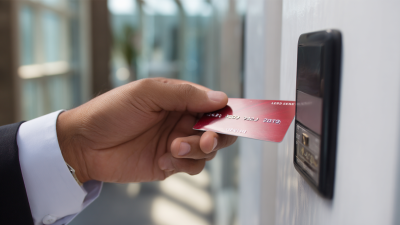
Card-based kits Card-based kits use RFID cards or key fobs. They support quick entry and simple user replacement. This option works well for offices with frequent staff changes. However, lost cards require immediate deactivation. The reader should also withstand dust, moisture, and repeated contact.

Biometric, mobile, and hybrid systems Biometric kits identify fingerprints or facial features. They reduce the need for physical credentials, yet performance can vary with dirt, gloves, lighting, or skin conditions. Mobile access kits use encrypted phone credentials and often connect with cloud software. They provide useful audit records, but network dependence deserves careful review. Hybrid kits combine two or more methods, such as cards and PINs. They offer stronger flexibility for restricted areas.

Installation experience still matters. Door type, lock voltage, exit hardware, and emergency release functions must match the kit. A powerful controller cannot fix poor wiring. Buyers should check regional electrical requirements, privacy rules, language options, and offline operation. Compatibility is often overlooked. A small pilot installation can expose weak signal coverage, awkward user steps, or delayed unlocking before a wider purchase.

How to Compare Access Methods, Security Levels, and Features

2026 Top Door Access Control Kit Types for Global Buyers

Compare the access method before comparing the door hardware. Keypad kits are affordable and easy to issue, but shared codes weaken accountability. RFID cards improve traceability, although lost cards still create administrative work. Mobile credentials offer faster revocation and remote management. They depend on charged phones, network coverage, and user acceptance.

Keypad kits Affordable and easy to issue, but shared codes weaken accountability.
RFID cards Improve traceability, although lost cards still create administrative work.
Mobile credentials Offer faster revocation and remote management.

Biometric readers provide strong identity binding, especially in restricted areas. Fingerprint performance may drop with wet, dusty, or damaged fingers. Facial systems need careful privacy assessment and clear enrollment procedures. NIST SP 800-63B places stronger emphasis on phishing-resistant authentication, yet a physical door still needs local controls. Do not confuse digital confidence with complete security.

NIST SP 800-63B places stronger emphasis on phishing-resistant authentication, yet a physical door still needs local controls. Do not confuse digital confidence with complete security.

Security level should match the site, not the sales brochure. A warehouse may need weather protection, tamper alarms, emergency egress, and offline operation. A small office may value simple enrollment and audit exports more. MarketsandMarkets projects the global access control market to grow from about 9.2 billion dollars in 2024 to 14.9 billion dollars by 2029. That growth reflects demand, not proof that every advanced feature is necessary.

Encryption
Credential revocation
Reader compatibility
Battery backup
Software update policies

Check encryption, credential revocation, reader compatibility, battery backup, and software update policies. Test one door during a network outage. It can expose uncomfortable gaps.

Installation, Integration, and Maintenance Requirements

Global buyers in 2026 need to assess door access control kits beyond reader features. Keypad, RFID, biometric, and mobile-enabled kits each suit different entry conditions. Installation begins with accurate door measurements and a reliable power survey. Check the frame, lock type, cable route, and emergency release position. Small oversights can delay commissioning.

Integration requires clear communication between the controller, reader, alarm system, and building network. Use protected cabling and separate power where interference is possible. Confirm user permissions before connecting the system to wider software. A local manual override remains valuable during network or power failures. Keep records.

Maintenance should include monthly inspection of locks, reader surfaces, wiring, and backup batteries. Test real entry scenarios, not only software status screens. Review access logs for unusual failures and remove inactive credentials promptly. Firmware updates need controlled scheduling and documented rollback steps. Skilled installers should follow regional electrical, privacy, fire, and accessibility requirements. Requirements differ.

A clean installation can still produce weak security. Door alignment may change after seasonal movement, and dusty readers may reduce recognition accuracy. Recheck performance after heavy traffic, renovation, or a power event. Buyers should request wiring diagrams, service intervals, spare-part availability, and technician training records. One practical lesson is often missed: maintenance responsibility must be assigned before handover, not after the first fault.

Global Buying Considerations for Compliance and Market Needs

Global buyers need more than a feature list when selecting a 2026 door access control kit. Keypad, card, mobile, and biometric systems serve different building conditions. A warehouse may need durable readers and offline operation. A clinic may prioritize privacy, audit trails, and simple emergency release. The right choice depends on users, doors, climate, and local security practices.

Compliance requirements can differ sharply between markets. Check electrical safety, radio equipment, cybersecurity, and data protection rules before ordering. Biometric kits require extra care because fingerprints and facial templates can be sensitive personal data. Confirm where data is stored, who can access it, and how records are deleted. Ask suppliers for test reports, declarations, installation instructions, and firmware update policies. Do not rely on a sales statement alone.

Small details often decide project success. A reader exposed to dust may need an appropriate ingress rating. A metal gate may weaken wireless communication. Battery backup should be tested with the lock, controller, and network connected. Local installers can confirm wiring methods and emergency access requirements. However, their advice may not cover every national regulation. Independent compliance review remains wise. It is easy to miss. Buyers should document assumptions, especially when importing kits across regions. A lower purchase price can become expensive after replacement parts, certification changes, or retraining.-vesm

2026 Top Door Access Control Kit Types for Global Buyers - Global Buying Considerations for Compliance and Market Needs
Kit Type Typical Credential or Authentication Connectivity and Door Interface Best-Fit Applications Typical Environmental and Power Requirements Key Compliance and Security Checks Global Buying Considerations
RFID Card and Key-Fob Kit Contactless cards, key fobs, or mobile credentials using widely adopted high-frequency RFID and NFC technologies. Standalone or networked controller; common reader interfaces include OSDP or legacy Wiegand. Supports electric strikes, electromagnetic locks, and motorized locks. Offices, apartment buildings, schools, warehouses, shared facilities, and low-to-medium traffic entrances. Reader protection commonly selected around IP54 to IP65 for sheltered or outdoor locations. Low-voltage DC power is typical; confirm current capacity for the lock and controller. Verify credential technology, encryption capability, secure key management, anti-passback options, audit-log retention, and compatibility with ISO/IEC 14443 or ISO/IEC 15693 credentials where applicable. Confirm operating frequency, regional radio requirements, card format, language support, replacement-card availability, and whether the system can migrate from legacy credentials.
PIN Keypad Access Kit Personal identification numbers, temporary codes, visitor codes, or dual authentication with a card or mobile credential. Standalone keypad or controller-based installation; may use OSDP, Wiegand, Ethernet, Wi-Fi, or cellular backhaul depending on the system architecture. Small offices, utility rooms, residential entrances, service areas, rental properties, and locations where issuing cards is inconvenient. Outdoor models should be selected according to enclosure rating, temperature range, vandal resistance, and condensation protection. Emergency power planning is recommended. Check brute-force lockout, PIN length, rate limiting, encrypted communication, administrator privilege controls, event logging, and secure reset procedures. Confirm local requirements for emergency egress, accessibility, keypad visibility, language-independent operation, and protection against shared or easily guessed codes.
Fingerprint Biometric Kit Fingerprint template matching, usually combined with a PIN, card, or mobile credential for stronger authentication. Networked terminal or local controller with Ethernet, Wi-Fi, or another supported connection; relay output may control a compatible door lock. Staff-only areas, laboratories, manufacturing sites, secure offices, and locations requiring individual accountability. Indoor deployment is common. Outdoor use requires attention to sensor sealing, dust, moisture, temperature, gloves, wet fingers, and sunlight performance. Verify privacy impact assessment requirements, biometric consent and retention rules, template encryption, liveness detection, false acceptance and false rejection metrics, and ISO/IEC 30107-3 presentation attack testing where claimed. Check whether biometric processing is local or cloud-based, where templates are stored, whether data can be deleted or exported, and how the system performs for different user groups and working conditions.
Facial Recognition Access Kit Facial image or biometric template authentication, often combined with a PIN, card, QR code, or security guard verification. Camera terminal connected through Ethernet, Wi-Fi, or cellular networking; may integrate with a central access management platform and door controller. High-throughput offices, campuses, transport-related facilities, controlled industrial areas, and touchless entry points. Requires suitable lighting, camera positioning, weather protection, and reliable network and power. Outdoor performance depends strongly on temperature, glare, rain, and image quality. Verify lawful basis for biometric processing, consent and notice mechanisms, data minimization, retention limits, encryption, spoof detection, human review procedures, and applicable privacy regulations. Conduct local accuracy testing rather than relying only on laboratory figures. Confirm cross-border data-transfer controls, offline behavior, accessibility options, and alternatives for users who cannot or do not wish to use biometrics.
Mobile and Bluetooth Access Kit Smartphone credentials using Bluetooth Low Energy, NFC, or secure digital keys managed through an application or mobile wallet. Reader-to-phone communication may use Bluetooth Low Energy or NFC; controller connection commonly uses OSDP, Ethernet, Wi-Fi, or cellular networking. Modern offices, co-working spaces, residential developments, hotels, campuses, and facilities requiring remote credential issuance. Low-voltage DC is typical. Reliable network coverage is important for provisioning and revocation, although systems may support time-limited offline credentials. Check end-to-end encryption, device binding, secure credential revocation, lost-phone procedures, certificate management, application security, and compatibility with relevant NFC or Bluetooth profiles. Confirm support for major mobile operating systems without relying on a specific handset model. Assess user privacy, app permissions, local data residency, and fallback access during phone battery or network failure.
Cloud-Managed Door Access Kit RFID credentials, mobile credentials, PINs, or biometric authentication managed through a web-based platform. Internet-connected controller or gateway using Ethernet, Wi-Fi, or cellular communication. Usually supports centralized monitoring, remote configuration, and event reporting. Multi-site businesses, distributed retail locations, property portfolios, managed offices, and organizations with limited on-site IT resources. Requires dependable internet connectivity, protected network equipment, and backup power for critical doors. Local operation during an internet outage should be confirmed. Review hosting location, data processing terms, role-based access control, multi-factor administrator login, audit trails, vulnerability management, backup policy, incident notification, and data deletion procedures. Confirm regional data residency, cross-border transfer mechanisms, service availability commitments, subscription structure, exportable records, API access, and the process for changing service providers.
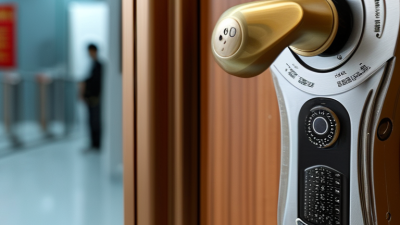
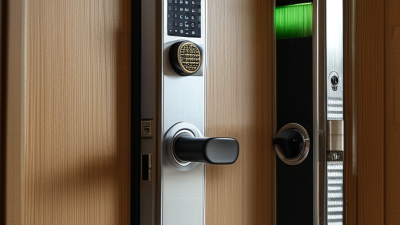
Standalone Electronic Lock Kit PIN, RFID card, mobile credential, mechanical key override, or a combination of these methods. Lock-integrated electronics with limited or no central networking. Suitable for cylindrical, mortise, cabinet, glass-door, or panic-exit-compatible designs when specified. Small offices, guest rooms, storage areas, residential units, internal doors, and sites where wiring a controller is impractical. Battery-powered operation is common. Check battery chemistry, expected cycle life, low-battery warning, emergency power method, door thickness, backset, and fire-door suitability. Verify mechanical security grade, escape-route requirements, fire and smoke-door approvals, ingress protection, tamper resistance, credential security, and emergency override control. Match the lock body and cylinder dimensions to local door standards. Confirm left/right handing, replacement parts, installation tooling, local locksmith support, and compliance with building and fire codes.
Intercom and Video Door Entry Kit Visitor call verification with remote release, PIN, RFID, mobile access, or resident-side authorization. IP or two-wire communication, indoor monitor, outdoor station, door relay, camera, microphone, speaker, and optional connection to a building management or security system. Apartment buildings, residential compounds, clinics, schools, offices, gated entrances, and reception-controlled facilities. Outdoor entrance stations should be selected for suitable IP and impact ratings, night visibility, audio clarity, temperature range, and surge protection. Check video and audio privacy, recording consent, cybersecurity controls, encrypted communication, emergency release, accessibility, hearing-loop compatibility where required, and applicable radio or electrical safety rules. Confirm local wiring practices, language and directory requirements, visitor-management workflow, network bandwidth, data retention, and compatibility with regional emergency and evacuation procedures.
High-Security Multi-Factor Access Kit Two or more factors, such as smart card plus PIN, mobile credential plus biometric, or credential plus security desk approval. Centralized controllers with supervised inputs, secure reader communication, door-position monitoring, request-to-exit devices, alarm outputs, and redundant network options. Data centers, research facilities, financial environments, critical infrastructure, pharmaceutical sites, and restricted government or industrial areas. Requires controlled power architecture, battery backup, tamper monitoring, fail-safe or fail-secure selection based on risk, and environmental design appropriate to the protected location. Assess UL 294 or EN 60839-11-1 applicability, secure OSDP communication, anti-passback, mantrap logic, intrusion alarms, time synchronization, audit integrity, penetration testing, and separation of administrative duties. Map the complete system to local fire, life-safety, workplace, cybersecurity, privacy, and critical-infrastructure rules. Require documented testing, system hardening, maintenance access control, and disaster-recovery procedures.
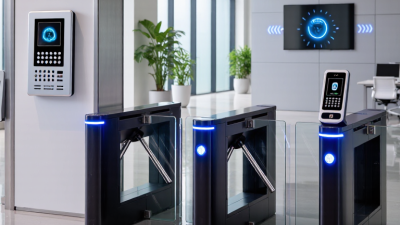
Barrier, Gate, and Turnstile Access Kit RFID, mobile credential, PIN, biometric verification, QR code, license-plate recognition, or security guard authorization. Reader and controller connected to a vehicle barrier, pedestrian gate, swing gate, sliding gate, or turnstile; may integrate safety sensors, loop detectors, and intercoms. Parking facilities, logistics centers, campuses, industrial compounds, residential communities, and high-volume pedestrian entrances. Outdoor equipment should be selected for weather, dust, corrosion, impact, drainage, temperature, and surge conditions. Safety sensors and emergency release devices are essential. Verify machinery and gate safety requirements, emergency stop and manual release, anti-tailgating controls, obstacle detection, access-event logging, electrical safety, and local traffic or pedestrian regulations. Evaluate throughput, vehicle and pedestrian separation, queue management, regional license-plate formats, accessibility, maintenance access, civil works, and compatibility with existing perimeter-security systems.
Go to Top