2026 Top UAV Drone Jammer Buying Guide for Global Buyers?
In recent years, the rise of UAV drone technology has transformed various industries and leisure activities. However, this advancement has also raised concerns regarding privacy and security. Enter the Uav Drone Jammer, an innovative solution that helps mitigate the potential risks associated with unauthorized drone flights. This buying guide aims to provide global buyers with essential insights into selecting the right UAV drone jammer for their needs.
Navigating the market can be challenging, as options vary significantly in terms of functionality and effectiveness. It is crucial to understand how a UAV drone jammer works and what features to look for. This guide highlights the importance of reliable brands, user testimonials, and expert recommendations. Buyers should consider not just performance, but also ease of use and compatibility with different drone models.
While technology can provide vital advantages, it is worth reflecting on the ethical implications of using jammers. Are we safeguarding our space or hindering legitimate uses? Clarity on this matter is essential. Choosing a UAV drone jammer should therefore be informed by both effectiveness and responsible usage, ensuring that we prioritize security without compromising ethical standards.
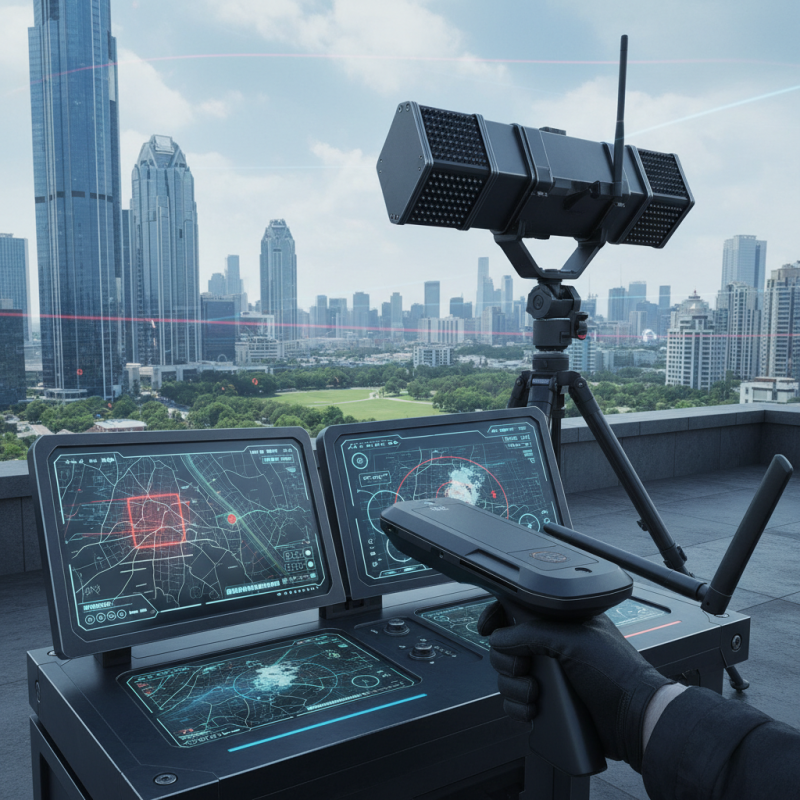
Understanding UAV Drone Jammers: Key Features and Technologies
Understanding UAV drone jammers is crucial for enhancing security in various sectors. The technology behind these devices focuses on disrupting signals between drones and their operators. Various reports highlight the drone jam technology as a growing industry, expected to reach $2.8 billion by 2026. This growth is driven by increased drone usage in surveillance, delivery, and recreational sectors.
Key features of UAV drone jammers include range, frequency, and power. Most effective jammers operate in a multi-band spectrum, targeting various communication channels. They can disrupt signals over distances ranging from a few hundred meters to several kilometers. The latest developments showcase jammers that integrate artificial intelligence, allowing for adaptive response to different drone models. Some jammers can switch frequencies dynamically, enhancing effectiveness.
However, challenges remain in the deployment of UAV jammers. Operational environments can vary significantly, influencing performance. In urban settings, signal interference can complicate jamming techniques. Cost remains a factor, too. High-quality jammers with extensive coverage come at a price, which may limit accessibility for certain users. As this technology evolves, ongoing research and development are crucial to address these issues and enhance reliability.
Types of UAV Drone Jammers Available in the Market
In recent years, the demand for UAV drone jammers has surged as various sectors seek reliable solutions. These jammers vary significantly based on technology and design. One common type utilizes radio frequency jamming. This method disrupts the communication signals between the drone and its remote control. It can effectively prevent unauthorized drone operations over sensitive areas.
Another category includes GPS jammers. They block or interfere with the satellite signals that guide drones. This technology is often used in military applications. Specialists must ensure they understand the principles of GPS to select the right jammer for specific situations. Additionally, software-defined jammers have emerged. They allow users to adjust frequencies based on operational needs. This flexibility is appealing, but complexity can lead to user errors and less effective deployment.
While UAV jammers are beneficial, challenges remain. Users must navigate varying regulations across regions. Unintended disruptions can impact legitimate operators. Proper training and awareness are crucial. Ensuring effective use also involves keeping the equipment updated and understanding its limitations. These factors make the selection process critical for buyers looking to enhance their security measures.
Factors to Consider When Choosing a Drone Jammer
When selecting a drone jammer, several factors require careful consideration. The operational range is crucial. Effective jammers can vary from a few hundred meters to several kilometers. Understanding the intended use is essential. For instance, commercial operations might need longer ranges than private applications.
Another key factor is the frequency bands. Drones typically operate on 2.4 GHz and 5.8 GHz bands. A good jammer should cover multiple frequencies. According to industry reports, the demand for multi-band jammers is growing. Sophisticated drone technology necessitates jammers that can adapt.
Consideration of the jammer's weight and portability also matters. A device that is too bulky may not be practical for all users. The reliability of power sources is another concern. Many jammers require significant energy for operation. This could limit their use in remote areas. As the technology progresses, buyers should remain informed about evolving specifications and regulations surrounding drone jammers.
2026 Top UAV Drone Jammer Features Comparison
Global Regulations and Compliance for UAV Drone Jammers
In recent years, governments worldwide have intensified regulations surrounding UAV drone jammers. Compliance with local laws is crucial for purchasers. The Global Counter Drone Market Report indicates that regulatory frameworks vary significantly across regions. Understanding these differences is key for responsible operation.
Many countries restrict the use of UAV jammers due to potential risks. For instance, the Federal Aviation Administration (FAA) in the U.S. prohibits devices that interfere with communication signals. Buyers must navigate such laws to avoid penalties. Recent data shows that noncompliance can lead to fines exceeding $100,000 in some jurisdictions.
In Europe, the European Union Aviation Safety Agency (EASA) has established guidelines that necessitate registration for certain jamming devices. This emphasizes a growing trend towards accountability. As the technology evolves, regulatory bodies may update frameworks, necessitating continuous awareness among buyers. It is important to remain vigilant. The landscape is ever-changing, and overlooking compliance can impact both safety and investment.
Top Brands and Models of UAV Drone Jammers in 2026
In 2026, the market for UAV drone jammers is expected to grow significantly. Industry reports forecast that demand will rise by over 15% annually. This is driven by increasing concerns over drone misuse in various sectors. The need for security and privacy has never been greater.
Top brands in the UAV jammer space are focusing on enhancing their technology. Features like multi-frequency capabilities are gaining attention. It's essential for buyers to consider models that can effectively disrupt a range of UAV operations. Some jammers now offer automatic frequency hopping, making them more reliable in diverse environments.
However, not all models deliver as promised. Some have range limitations, which can be frustrating. Buyers should research thoroughly. User reviews highlight performance discrepancies. Data from industry experts suggest looking for jammers with a proven track record of success. Knowledge about technical specifications is crucial.
2026 Top UAV Drone Jammer Buying Guide for Global Buyers
| Model | Frequency Range (GHz) | Max Jam Range (m) | Power Output (W) | Weight (kg) | Runtime (hours) |
| Model A | 1.2 - 2.5 | 150 | 50 | 3.5 | 8 |
| Model B | 2.4 - 5.0 | 200 | 80 | 4.0 | 10 |
| Model C | 0.9 - 2.4 | 300 | 100 | 5.5 | 6 |
| Model D | 1.0 - 3.0 | 250 | 70 | 4.8 | 5 |