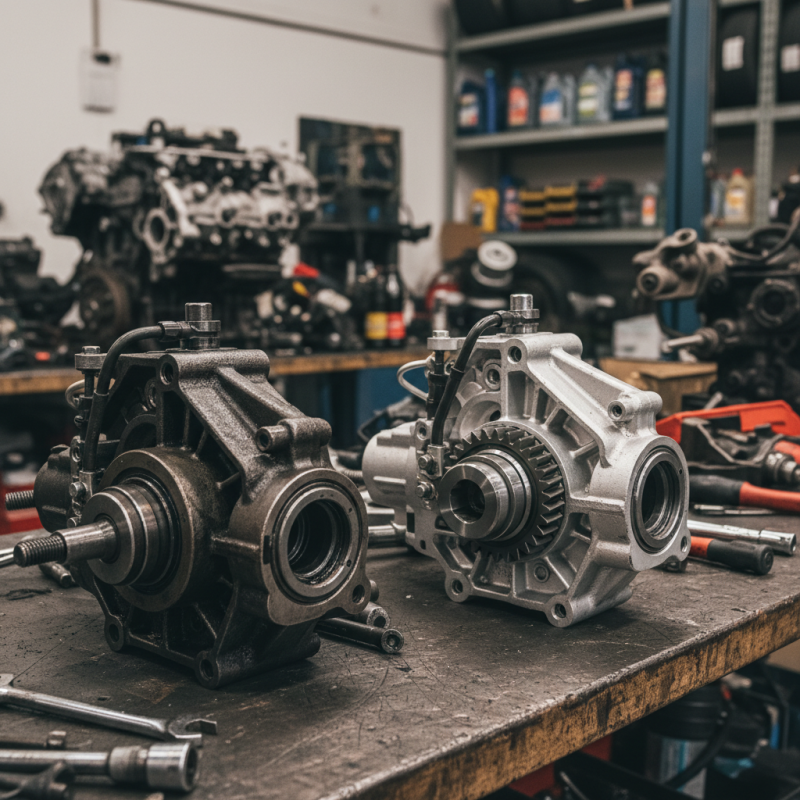
Top Tips for Choosing Steering Gear Housing for Your Needs?
Choosing the right steering gear housing is crucial for your vehicle's performance. It impacts handling and safety. A well-selected housing can enhance responsiveness and durability. However, many overlook this important component.
When evaluating steering gear housings, consider your vehicle type and driving conditions. The material and design significantly affect functionality. For instance, aluminum housings offer a balance of weight and strength. Steel options can provide better resistance to wear and tear.
Quality is paramount. Look for housings that meet industry standards. Trusted manufacturers often provide warranties. This adds reliable assurance to your purchase. However, not all products will suit your needs perfectly. It’s essential to weigh all factors and think critically about your specific requirements.
Understanding Different Types of Steering Gear Housing Available
When selecting steering gear housing, it is essential to explore the different types available. Each type has its unique advantages and drawbacks. For instance, worm gear housings provide high torque and are cost-effective. They are widely used in vehicles and machinery. However, their slower response can be a concern for agile applications.
Another option is rack and pinion gearing. This type allows for immediate feedback and better control. It is often preferred in fast-paced environments. Yet, it may not handle heavy loads as effectively. This is a decision point that needs careful consideration.
Hydraulic steering housings present a more complex solution. They offer smooth and precise movements. This design is particularly beneficial for larger vehicles. That said, maintaining hydraulic systems can be challenging. Regular checks are needed to prevent leaks and ensure reliability.
Each type of steering gear housing serves specific needs, making it essential to understand their characteristics before making a choice.
Key Factors to Consider When Selecting Steering Gear Housing
When selecting steering gear housing, your goals must guide you. Start with understanding your vehicle's specifications. Matching the gear housing to the right application is crucial. Different vehicles require different configurations and materials. Don’t overlook the environment where the housing will be used. If you’re driving in extreme conditions, consider corrosion-resistant materials.
Durability is another important factor. Look for housing built to withstand wear and tear. A robust design is essential for long-lasting performance. Weight can affect handling and efficiency. Choose materials that balance strength and weight, ensuring optimal performance.
It’s wise to evaluate cost versus functionality. A cheaper option may save money upfront but lead to higher maintenance costs later. Always reflect on past experiences. They can guide better choices.
Importance of Material Selection for Steering Gear Housing Durability
Choosing the right material for steering gear housing is crucial for durability. Different materials offer various benefits. Aluminum is lightweight and resistant to corrosion, which can enhance performance. Steel, on the other hand, is known for its strength and impact resistance. The right choice depends on your specific needs.
The environment where the housing will operate is important. If it faces extreme weather or harsh conditions, material selection becomes critical. Advanced composites may offer unique advantages in such situations. They can reduce weight while maintaining strength. However, they may come at a higher cost or require special processing techniques.
Account for the manufacturing process too. Some materials are easier to work with, which can affect production efficiency. This can lead to a balance between cost and reliability. Reflecting on these aspects will help refine your selection. Ultimately, a well-thought-out material choice can lead to improved lifespan and reduced maintenance needs, fostering a more reliable steering system over time.
Evaluating Size and Compatibility with Your Vehicle's Steering System
When evaluating steering gear housing, size and compatibility with your vehicle's steering system are crucial. A study published by the Automotive Industry Association highlights that improper sizing can lead to poor performance and increased wear on components. A mismatch in size can also negatively affect steering responsiveness. It's essential to measure key dimensions, such as mounting points and overall dimensions, before making a choice.
Compatibility is not just about size; it also includes material and design. Various vehicles require specific housing designs to function optimally. Research indicates that approximately 30% of steering issues arise from incompatible components. Ensuring that the gearing ratios and mounting styles are right for your setup can save you from expensive repairs down the line.
In terms of experience, mechanics often stress that choosing a compatible housing can enhance vehicle handling. Some users report that they feel a noticeable difference when the steering gear components are well matched. However, many still overlook detailed compatibility checks, which leads to unnecessary troubleshooting. Selecting the right steering gear housing requires a thoughtful approach, not just a quick fix.
Top Tips for Choosing Steering Gear Housing for Your Needs
| Dimension | Recommended Size | Compatibility | Material Type | Weight (kg) |
| Height | 250 mm | Compatible with most sedans | Aluminum | 5.0 |
| Width | 200 mm | Compatible with SUVs | Steel | 6.5 |
| Depth | 150 mm | Compatible with trucks | Plastic | 4.0 |
| Mounting Type | Bolt-on | Versatile for all vehicles | Composite | 7.0 |
Maintenance and Care Tips for Prolonging Steering Gear Housing Life
When selecting steering gear housing, maintenance is key to longevity. Research indicates that proper care can extend the lifespan of these components by up to 30%. Regular inspections help identify wear and tear early. Inspect seals for leaks and corrosion. Addressing these issues promptly can save costly repairs later.
Cleaning is also crucial. Dust and grime can accumulate, affecting performance. Use suitable cleaning agents to avoid damage. Experts recommend cleaning the housing at least every six months. Observing manufacturer guidelines can prevent unintended problems. Yet, many users overlook this simple step.
Lubrication is vital too. Experts suggest using high-quality grease at recommended intervals. Insufficient lubrication can increase friction, leading to premature failure. Data shows that nearly 15% of failures result from poor lubrication practices. Routinely monitor and adjust lubrication as needed. Implementing these practices ensures reliable and efficient performance over time.