Why Choose Full Brim Safety Helmet for Maximum Protection?
In construction and industrial environments, safety is paramount. The Full Brim Safety Helmet is an essential piece of protective gear. According to the Bureau of Labor Statistics, head injuries account for approximately 10% of workplace fatalities. Many of these incidents involve workers not wearing adequate head protection. This alarming statistic highlights the need for effective safety equipment.
The Full Brim Safety Helmet offers extensive coverage. Its design extends over the ears and down the neck, ensuring that vital areas receive protection from falling objects or debris. A report by the American National Standards Institute emphasizes that using a full-brim helmet can reduce injury risk by up to 60%. This statistic underscores the helmet's importance in protecting workers in hazardous conditions.
Despite their advantages, some workers still choose traditional helmets. This can stem from a lack of awareness about safety gear. Training and education are crucial in altering these mindsets and promoting guidelines for proper helmet usage. The Full Brim Safety Helmet not only provides superior protection but also enhances visibility. Ensuring the safety of workers should be a top priority for all industries.
Benefits of Full Brim Safety Helmets for Construction Workers
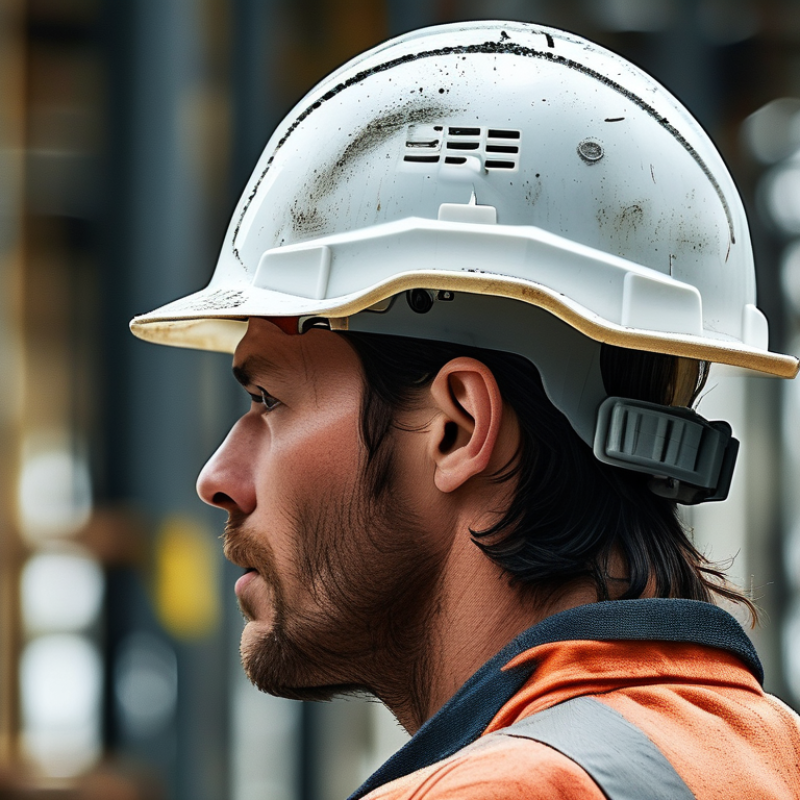
Full brim safety helmets offer numerous benefits for construction workers. They provide comprehensive protection against falling debris and accidental bumps. The extended brim shields the face and neck from harmful UV rays and harsh weather conditions. This feature is particularly vital for outdoor work, where sun exposure can lead to serious health issues over time.
Another significant advantage is comfort and stability. Many full brim helmets come equipped with adjustable chin straps and padded interiors. This ensures a secure fit, which is essential during strenuous activities at heights. However, some workers might find them bulky or heavy. It’s crucial to select the right fit to avoid discomfort, as a helmet that is too tight or too loose can distract a worker from their tasks.
Moreover, full brim helmets can enhance visibility. Many models include bright colors or reflective strips, making workers more noticeable on-site. This increase in visibility reduces the risk of accidents. However, some helmets might not be compatible with other safety gear. Workers need to consider how their full brim helmet integrates with other equipment to ensure maximum protection.
Comparison of Full Brim vs. Cap Style Helmets in Safety Standards
When choosing a safety helmet, understanding the differences between full brim and cap style helmets is crucial. Full brim helmets offer superior protection due to their extended coverage. They shield the face, neck, and ears from falling debris and harmful UV rays. In contrast, cap style helmets provide limited coverage, which may leave vital areas exposed.
Full brim helmets often feature a wide brim that deflects rain, reducing water accumulation on the helmet’s surface. This design can help maintain visibility in adverse weather conditions. Cap style helmets, while lightweight and comfortable, may not provide the same level of all-around protection. Workers in hazardous environments may find full brim helmets to be a more reliable choice overall.
Tips: Always inspect your helmet for damage before each use. A cracked helmet may not provide adequate protection. Additionally, ensure your helmet fits properly. A loose helmet can shift during work, leading to potential injuries. Opt for a helmet that meets safety standards for your specific work environment.
Key Features of Full Brim Safety Helmets for Enhanced Protection
Full brim safety helmets offer enhanced protection in various industries. Their design provides additional coverage around the head and neck. This is crucial in environments where falling objects are a risk. With a wider brim, these helmets also shield against sun exposure and rain. Workers feel more secure with this extra layer of safety.
Another key feature is the comfort fit. Many helmets come with adjustable straps and padding. This ensures a snug fit for long hours of wear. Comfortable helmets lead to better focus on tasks. Noise reduction designs help minimize distractions on job sites. Some helmets even have ventilation systems, which can increase airflow and reduce heat buildup.
Despite their advantages, users sometimes overlook the importance of wearing them correctly. Improperly fitted helmets can be less effective. Regular inspections for damage are also essential. Any cracks or wear can compromise safety. Educating workers on proper helmet care is vital. It's an ongoing challenge that requires attention and commitment.
Proper Usage and Maintenance of Full Brim Safety Helmets
Proper usage of full brim safety helmets is crucial for worker safety. These helmets provide a wide range of protection, shielding not just the top of the head but also the sides and back. Reports show that full brim helmets can reduce neck injuries by 30%, highlighting their importance in industries like construction and forestry.
Maintaining these helmets is equally important. Regular inspections can uncover damage or wear. A study indicated that 20% of helmets inspected showed signs of deterioration, which could compromise safety. Users should clean the helmet regularly and replace it after severe impacts. Proper storage can also prevent deformation. Helmet maintenance procedures often lack adherence, leading to increased risks.
Engaging in effective training about helmet use and care can bridge this compliance gap. Workers often overlook crucial aspects, like checking for fit or comfort. If the helmet is uncomfortable, users might not wear it correctly. This lack of knowledge can result in tragic accidents. It’s vital to create a culture of safety where helmet use is prioritized and understood.
Why Choose Full Brim Safety Helmet for Maximum Protection?
The bar chart illustrates the performance ratings of Full Brim Safety Helmets compared to standard helmets across various safety features. As indicated, Full Brim Safety Helmets excel in impact resistance and side protection, providing greater safety for wearers in hazardous environments.
Regulatory Compliance and Industry Standards for Safety Helmets
The importance of regulatory compliance in safety helmets cannot be overstated. Safety helmets must meet rigorous industry standards to provide adequate protection. Organizations such as ANSI and OSHA set these benchmarks. Adhering to these standards ensures that helmets can protect users from various hazards. Workers in construction, mining, and other high-risk environments require reliable headgear.
The design of full brim safety helmets plays a crucial role in their effectiveness. A full brim helmet extends coverage beyond the top of the head. This extra protection shields against falling debris and harmful sunlight. Moreover, these helmets often include features like moisture-wicking liners and adjustable chin straps. These elements enhance comfort and usability, promoting consistent wear among workers.
However, not all helmets are created equal. Some may look sturdy but lack essential certifications. This disparity can lead to dangerous situations. Choosing a helmet that meets or exceeds regulatory standards is vital. It reflects a commitment to safety on job sites. Workers deserve protection that aligns with industry regulations and personal safety needs.