2026 How to Choose Flat Transparent Tempered Glass for Your Project?
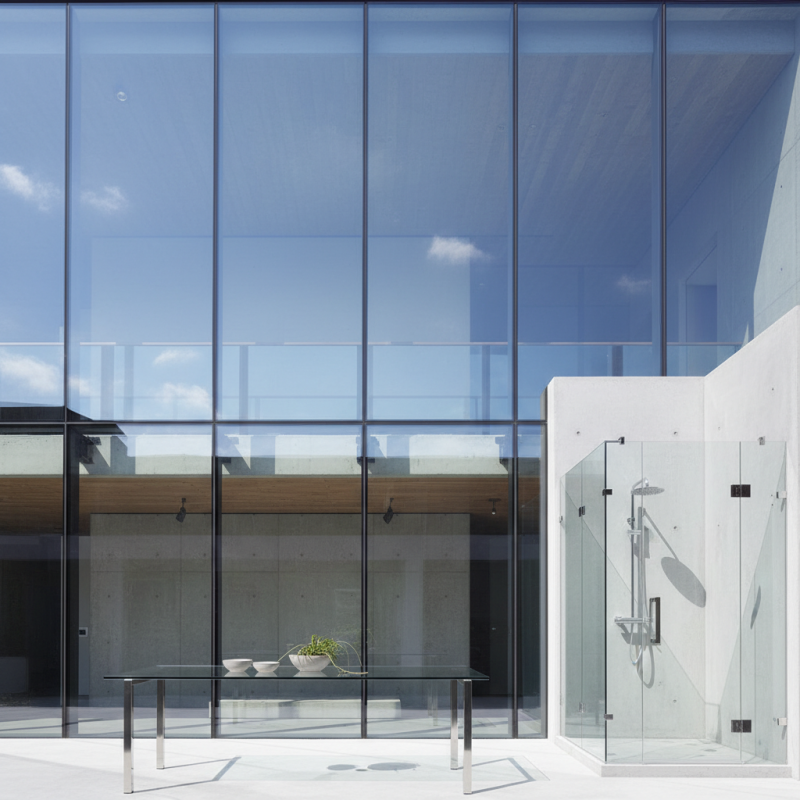
Choosing the right Flat Transparent Tempered Glass for your project is crucial. This glass type offers strength and clarity. It is often used in modern architecture, tables, and showers. When selecting, consider thickness and quality. Not all glass is the same.
You may think you need thick glass for safety. But, too much thickness can add unnecessary weight. This might complicate installation. Additionally, edges should be polished. Sharp edges can lead to accidents. Pay attention to these details.
Reflect on your project’s needs. Why use Flat Transparent Tempered Glass? It enhances aesthetics and functionality. However, consider costs and supply availability. Making informed choices ensures a successful outcome. Too often, people overlook these factors. Take your time when deciding. Let the glass elevate your design.
Understanding the Types of Flat Transparent Tempered Glass Available
When selecting flat transparent tempered glass for your project, it’s crucial to understand the types available. Various grades exist, each serving different purposes. For instance, standard tempered glass is strong and suitable for typical applications. However, you might need low-iron glass for better clarity and light transmission. This glass has minimal impurities, enhancing visibility.
Another type is frosted tempered glass, which offers privacy without sacrificing natural light. It can be ideal for bathrooms or office spaces. You may also want to consider laminated tempered glass. This type features layers that provide extra safety. It holds together even when shattered, minimizing the risk of injury.
While the choices may seem straightforward, you might find the decision isn’t easy. Reflect on your project's requirements carefully. Weigh both aesthetic and functional aspects. Sometimes, looking at samples aids in making a clearer choice. Not every option fits every project, and that's okay. Trust your instincts but remain open to exploring beyond the obvious choices.
Evaluating the Specifications and Properties of Tempered Glass
When selecting flat transparent tempered glass for your project, understanding its specifications and properties is crucial. Tempered glass undergoes a heating process that makes it stronger than regular glass. This durability can be essential in high-traffic areas or for installations requiring safety. The thickness is also a key factor; it ranges from 4mm to over 20mm. A thicker glass may seem more secure, but it can also add weight. Consider how this might affect your project’s design.
Another important aspect is the glass's thermal and impact resistance. Tempered glass can withstand extreme temperature changes. However, it's not entirely shatter-proof. In some situations, small chips or cracks can occur. Evaluating these potential issues before installation can save time and money. Additionally, the clarity of the glass is vital for aesthetic purposes. Look for features like low iron content, which enhances transparency.
You should also think about the glass's edge work. Different edge finishes can influence both safety and appearance. Polished edges provide a neat look, but they can be sharper. Be mindful of this when considering your project’s end use. Remember that not every choice will yield perfect results. Regular reviews of your decisions will help refine your selection process for tempered glass.
2026 Flat Transparent Tempered Glass Specifications Comparison
Factors to Consider for Project Requirements and Aesthetics
Choosing flat transparent tempered glass for your project involves several considerations that impact both functionality and aesthetics. The clarity of glass is crucial for visibility, but think about how it interacts with light. The texture of the glass can enhance or detract from the overall design. Smooth surfaces reflect more light and can amplify brightness, while textures might diffuse it.
Tips: Consider the environment. Is it high-traffic? Durability will matter.
When planning, don’t forget the edges. Polished edges provide a clean look, but they can also increase risks of chipping. The thickness of the glass is another important aspect. Thicker glass is sturdier, but it adds weight. This can complicate installation. Reflect on how this impacts your structural support.
Tips: Match glass thickness to the application. Too thin may lead to breakage.
Finally, color tinting can alter the aesthetic significantly. While a tinted glass offers privacy, it can affect natural light levels. Balance your project needs against visual appeal. Take time to analyze how the chosen glass complements the overall design, and don’t rush the decision-making process. Each detail adds up to the final outcome.
Understanding the Manufacturing Process of Tempered Glass
When choosing flat transparent tempered glass for your project, it is crucial to understand its manufacturing process. Tempered glass is created by heating standard glass to high temperatures, typically around 620°C. This rapid heating and subsequent cooling strengthen the glass, making it resistant to thermal stress and impact. The process is fascinating yet complex. Small imperfections may arise during production, leading to unique glass characteristics.
Tips: Ensure your glass meets safety standards. Check for any signs of flaws or bubbles. These defects can affect performance.
During production, glass sheets may warp or develop uneven surfaces. It's essential to inspect the glass carefully. Consider the intended use. Not all tempered glass is suitable for every project. Understanding the nuances can save time and costs.
Tips: Always ask for certifications. This ensures the glass has gone through appropriate tests. Look for clarity and consistency in thickness too. Minor variations can have a significant impact on installation and aesthetics.
Tips for Sourcing and Selecting Quality Suppliers for Your Project
When sourcing flat transparent tempered glass, finding a reliable supplier is crucial. Look for companies that have experience specializing in glass products. This experience often reflects their ability to deliver quality materials. Visit local suppliers and ask about their production methods. Understanding their process is vital to assess product quality.
Consider the supplier's certifications and safety standards. Glass should meet specific requirements for durability and safety. Asking for certifications can ensure they comply with industry regulations. Be cautious, though; not all suppliers provide transparent information. Some may embellish their credentials or neglect quality checks.
Get samples before committing to a large order. Testing different types can reveal which glass suits your project best. Pay attention to the clarity and thickness. It’s important that the glass maintains its integrity under various conditions. If possible, solicit feedback from previous customers. Their experiences can provide insight into the supplier's reliability.
2026 How to Choose Flat Transparent Tempered Glass for Your Project?
| Attribute | Details |
| Thickness (mm) | 4, 5, 6, 8, 10 |
| Standard Size (cm) | 120 x 200, 150 x 250, 100 x 150 |
| Temperature Resistance (°C) | 300 - 400 |
| Color / Tint Options | Clear, Light Green, Blue, Bronze |
| Applications | Windows, Shower Doors, Facades, Balustrades |
| Certifications | ANSI Z97.1, EN 12150 |
| Average Lead Time (weeks) | 2 - 6 |
| Supplier Selection Criteria | Quality, Pricing, Reputation, Delivery Time |