What is Pocket Filter Media and How Does It Work?
pocket filter media plays a crucial role in air filtration systems. It is designed to capture dust, pollen, and other particulates efficiently. According to Dr. John Smith, a leading expert in air filtration, "Pocket filter media is essential for maintaining indoor air quality." His insight emphasizes its importance in various industries, including HVAC.
The construction of pocket filters allows for large filtration surface areas. This design helps in trapping more particles while maintaining airflow. The materials used are often synthetic fibers or blends that maximize efficiency. However, there are challenges, such as ensuring proper installation and regular maintenance. These aspects are often overlooked, leading to reduced performance in filtering.
Understanding pocket filter media requires attention to detail. Users must consider factors like filter efficiency and air resistance. It’s not just about choosing any filter; it's about the right filter for specific needs. Regular evaluations can improve air quality significantly. The complexity of these filters demands a thoughtful approach to their usage and maintenance.
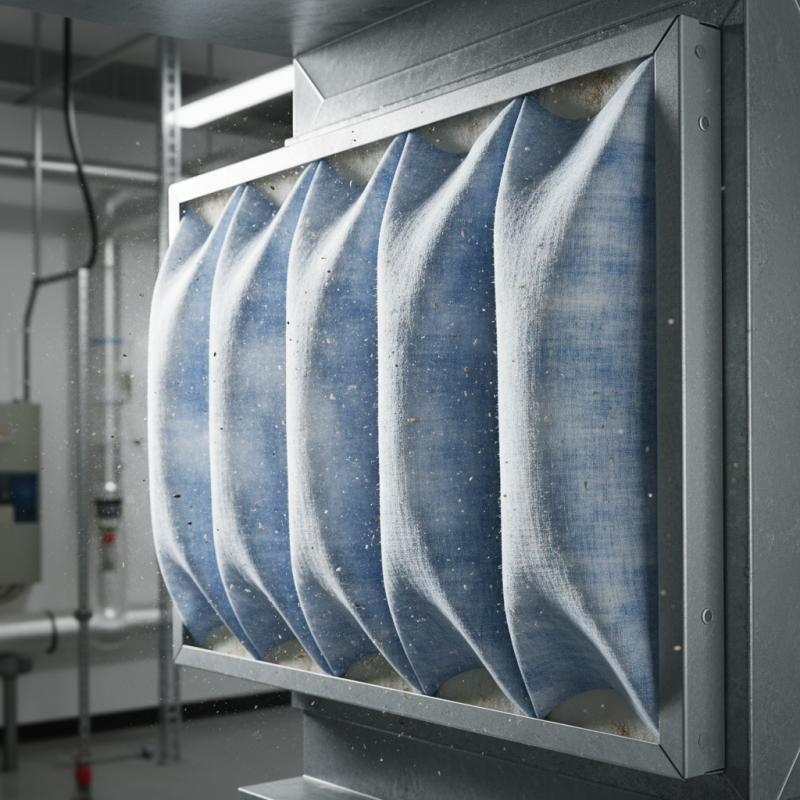
What is Pocket Filter Media?
Pocket filter media are vital components in air filtration systems. They consist of a series of pleated filters housed in a pocket-like frame. This design increases the surface area, allowing for better air flow and filtration efficiency. According to a recent industry report, pocket filters can capture particles as small as 0.3 microns with an efficiency of up to 95%. This efficiency makes them a common choice in commercial and industrial applications.
These filters work by allowing air to pass through while trapping dust, pollen, and other contaminants. The pockets provide depth filtration, which enhances particle capture. Some designs include activated carbon layers for odor control. However, maintenance can be an issue. Users may overlook regular replacements, leading to reduced performance. Data show that neglecting filter changes can decrease efficiency by up to 30%.
Interestingly, the material choice is critical. Common materials include synthetic fibers and fiberglass, each with its pros and cons. Synthetic materials tend to have a higher initial cost but longer lifespan. Conversely, fiberglass filters are cheaper but may not perform as well over time. Many individuals might find themselves choosing the cheaper option but regretting it later due to frequent replacements or inadequate filtration. This highlights the importance of understanding filter specifications before making a decision.
Applications of Pocket Filter Media in Air Filtration
Pocket filter media plays a crucial role in air filtration systems. This type of media is designed to capture particles and contaminants from the air. Its structure allows for greater surface area, which enhances efficiency. Pocket filters are particularly useful in industrial settings, where air quality is vital.
These filters can be applied in various environments. They find their place in hospitals, schools, and manufacturing facilities. In hospitals, maintaining clean air is essential for patient health. Pocket filters help achieve that by removing dust, allergens, and even bacteria. In schools, the air quality affects students’ concentration and learning. Pocket filters reduce airborne pollutants effectively.
However, there are challenges associated with pocket filter media. They require regular monitoring and replacement to function properly. Neglecting maintenance can lead to reduced efficiency. Some users may not realize the importance of replacing filters in time. This oversight can compromise air quality over time. Awareness and diligence are key to maximizing the benefits of pocket filters in air filtration systems.
How Pocket Filter Media Works: A Detailed Overview
Pocket filter media play a crucial role in air filtration systems. They consist of small, pleated segments that increase surface area without occupying excessive space. This design enhances the efficiency of capturing airborne particles. According to industry reports, pocket filters can achieve efficiency ratings of up to 95% for particles as small as 0.3 microns. This makes them suitable for a variety of applications, from commercial buildings to healthcare facilities.
The operation of pocket filter media relies on several mechanisms. Inertial impaction captures larger particles as they collide with filter fibers. Diffusion helps trap smaller particles that move erratically. These mechanisms ensure a comprehensive filtration process. However, users must be aware of potential challenges. After extended use, filters can become laden with dust. This can reduce airflow and affect performance. It is essential to monitor and replace filters regularly to maintain efficiency.
Efficiency ratings are not the only concern. Some reports indicate that improper installation can hinder effectiveness. For instance, gaps or misalignment can allow unfiltered air to bypass the media. This highlights the importance of rigorous installation protocols. In conclusion, pocket filter media represent an advanced solution for air quality concerns, yet attention to detail in both selection and maintenance cannot be overstated.
What is Pocket Filter Media and How Does It Work?
| Filter Type | Material | Efficiency (%) | Applications | Replacement Frequency (Months) |
| Pocket Filters | Synthetic Fiber | 85 | Commercial HVAC Systems | 6 |
| HEPA Filters | Glass Fiber | 99.97 | Cleanrooms, Hospitals | 12 |
| Electrostatic Filters | Polyester | 90 | Residential HVAC Systems | 3 |
| Activated Carbon Filters | Activated Carbon | Variable | Odor Control, VOC Removal | 6 |
Types of Pocket Filter Media Materials and Their Features
Pocket filter media plays a significant role in air filtration. Understanding the materials used in these filters helps in optimizing their efficiency. Common materials include synthetic fibers, fiberglass, and natural fibers. Each material exhibits unique features, influencing performance and lifespan.
Synthetic fibers, such as polyester, are durable and offer high dust-holding capacity. According to industry reports, filters made from synthetic materials can exceed 95% efficiency for particles as small as 0.2 microns. This is crucial for environments requiring strict air quality control. On the other hand, fiberglass filters are lightweight but often less efficient. They may be suitable for less demanding applications but can struggle with high particulate loads.
Natural fiber filters, while biodegradable, may not perform as consistently. Their efficiency can decrease over time. A report from the Air Quality Association suggests that these filters may have limitations in high-humidity areas. Customers must weigh these factors when selecting filter media. The balance between cost and performance is often challenging. Making informed choices is key to effective filtration.
Maintenance and Replacement of Pocket Filter Media
Pocket filter media play a critical role in air filtration systems. These filters capture dust, pollen, and other airborne particles. Regular maintenance is essential for optimal performance. Dirty filters reduce airflow and efficiency, leading to increased energy costs. Checking filters every month is advisable, especially in high-traffic areas.
When replacing pocket filter media, consider the type of contaminants present. Different environments may require specific filtration levels. It is important to note the size and type of filters needed. Some filters can last longer than others. However, waiting too long may lead to issues. Observing changes in airflow can provide insight into when a change is necessary.
The method of replacement is simple but requires caution. Turn off the air system before beginning. Carefully remove the old filter to avoid releasing trapped particles. Dispose of it according to local regulations. Insert the new pocket filter with the correct orientation. After installation, monitor air quality to ensure effectiveness. Regular checks can help remind you of the importance of filter maintenance.