What is an Rfid Door Access Control System and How Does It Work?
In recent years, the demand for security solutions has risen significantly. Businesses are focusing on protecting assets and personnel. The RFID Door Access Control System has emerged as a key player in this realm. According to recent industry reports, the access control market is expected to surpass $9 billion by 2025. This growth highlights the urgency within organizations to adopt effective security measures.
An RFID Door Access Control System utilizes radio frequency identification technology. It allows for secure entry without traditional keys. Users carry RFID cards, which are scanned at entry points. This system not only enhances security but also streamlines the process of managing access. However, some operators struggle with the implementation. Initial costs and system complexity can hinder efficiency. Not all facilities fully integrate RFID systems, leading to potential vulnerabilities.
It's essential to understand that while RFID systems offer advantages, not every installation is flawless. Organizations need to assess their security needs carefully. Reflection on the user experience is crucial for improving implementation. Proper employee training can prevent errors in accessing secured areas. Embracing RFID technology is a step forward, yet ongoing evaluation is necessary for optimal performance.

What is RFID Technology and Its Key Components?
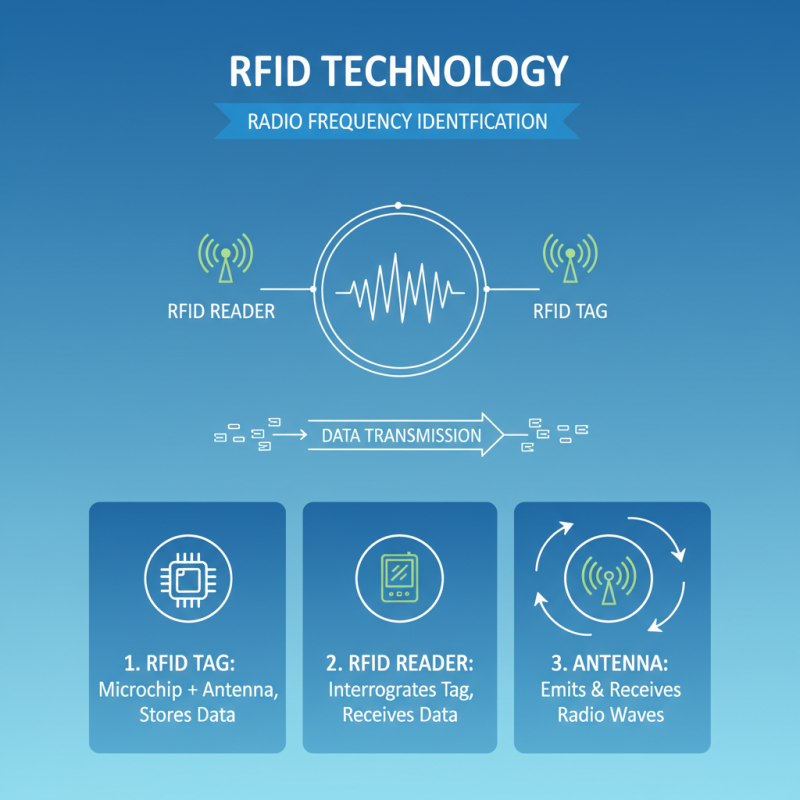
RFID technology, or Radio Frequency Identification, is a method used to identify objects using electromagnetic fields. It employs tags and readers to transmit data seamlessly. An RFID system typically consists of three key components: the RFID tag, RFID reader, and antenna.
The RFID tag is a small electronic device that contains a chip and an antenna. These tags can be passive, which means they draw power from the reader's signals, or active, with their own power source. The reader emits electromagnetic waves to communicate with the tag, capturing its information. Each tag has a unique identifier, making it easy to track various assets or control access points.
In practice, the setup can face challenges. Environmental factors like distance and obstacles can affect communication. Moreover, not all metals interact well with RFID signals. Reflection or interference can lead to loss of data. Also, ensuring the security of data transferred remains essential. This aspect requires ongoing reflection and improvement in RFID technology. By understanding these components and limitations, users can better implement RFID systems for applications like door access control.
Understanding the Basics of Door Access Control Systems
Door access control systems enable secure entry to buildings and restricted areas. These systems utilize various technologies, including RFID, biometric scans, and keypads. RFID is among the most popular due to its ease of use and low cost. According to a recent industry report, the global access control market is projected to reach $10.3 billion by 2026, highlighting the growing emphasis on security.
Understanding the basics of door access control systems is crucial for effective implementation. A typical RFID door access control system includes RFID tags, readers, and a control panel. When a tag is presented near a reader, it transmits data to the control panel. This data is then processed to grant or deny access. Yet, vulnerabilities in system design often go unnoticed. For instance, weak encryption methods can expose sensitive information.
Businesses need to invest in training and regular updates. With evolving technology, old systems become prone to breaches. Interestingly, about 30% of organizations still rely on outdated access control solutions. This raises serious questions about their security posture. Upgrading these systems is not just important; it is essential to mitigate risks.
How RFID Door Access Control Systems Operate
RFID door access control systems are gaining popularity for securing various facilities. These systems use
radio frequency identification technology. An RFID system typically consists of three main components:
tags, readers, and a control system. The tags are small devices attached to access cards or key fobs.
They store user information and are scanned by readers installed at entry points.
When a user approaches a door, they bring their access card near the reader. The reader sends out a radio signal to the tag.
The tag responds by transmitting its stored data back to the reader. This data is then sent to the control system,
which verifies the information. If the credentials are valid, the door unlocks, allowing entry. The process is quick, often taking just seconds.
Sometimes, users may forget their cards or experience technical glitches. Such moments can lead to
frustration and delays.
The system also allows for easy management of access permissions. Administrators can quickly add or revoke access for users.
This flexibility is beneficial in organizations with changing staff. However, challenges can arise if the system fails.
Network issues or hardware malfunctions could lock users out unexpectedly.
Overall, while RFID systems streamline access control, they require careful consideration and regular maintenance to ensure
reliability.
Benefits of Using RFID for Door Access Control
RFID door access control systems offer numerous benefits for modern security needs. These systems use radio frequency identification technology to provide secure entry points. Users can unlock doors with a simple swipe or tap of a card, badge, or token. This convenience speeds up the entry process and reduces waiting times.
One major advantage of RFID is the ability to monitor access in real-time. Administrators can track who enters and exits a building, ensuring tighter security. Lost or stolen access cards can be quickly deactivated, minimizing potential breaches. However, some may argue that reliance on technology creates vulnerabilities. If a system fails, entry can become problematic.
RFID systems also enhance flexibility. They can be easily integrated with existing security measures. For instance, adding additional entry points or adjusting access levels is simple and quick. Balancing convenience and security, though, requires ongoing evaluation. Regular updates and maintenance are essential to keeping the system effective. Even the best systems need improvement over time.
What is an Rfid Door Access Control System and How Does It Work? - Benefits of Using RFID for Door Access Control
| Feature |
Description |
Benefits |
| RFID Technology |
Utilizes radio frequency identification for secure access. |
Enhanced security through unique identification. |
| Access Control |
Restricts entry based on verified RFID tags. |
Prevents unauthorized access effectively. |
| User Management |
Easily manage user permissions and access levels. |
Flexibility in access rights allocation. |
| Integration |
Can be integrated with other security systems. |
Holistic approach to security management. |
| Cost-Effectiveness |
Reduces the need for physical keys and locks. |
Lower maintenance costs over time. |
| Auditing |
Tracks access events for security reviews. |
Increased accountability and monitoring. |
Common Applications and Use Cases of RFID Access Control Systems
RFID access control systems are becoming increasingly popular across various sectors. These systems use radio frequency identification technology to grant access to secure areas. This enhances security while expediting the entry process. According to a 2022 market report, the RFID access control market is projected to reach $3.2 billion by 2026, highlighting significant growth potential.
In corporate environments, these systems streamline employee access and monitor entry points. This technology is particularly beneficial in high-security areas. For instance, hospitals use RFID to control access to medication storage areas. Educational institutions employ RFID systems to monitor student entry. However, some organizations overlook the need for continuous training on technology usage, leading to potential security lapses.
Additionally, RFID systems find applications in logistics and supply chain management. They improve tracking and streamline inventory processes. Yet, businesses should reflect on the initial costs versus long-term benefits. Some may struggle with integrating RFID with existing security measures. Overall, while RFID systems present clear advantages, organizations must address potential challenges to maximize their effectiveness.