Top Tips for Choosing Biodegradable Packing Paper?
In today's environmentally conscious world, choosing the right packaging is crucial. Biodegradable Packing Paper stands out as a sustainable option. It breaks down naturally, reducing waste in landfills. Unlike traditional materials, it offers protection without harming the planet.
When selecting Biodegradable Packing Paper, it's essential to consider its source and composition. Look for papers made from recycled materials or sustainably sourced fibers. This choice not only supports eco-friendly practices but also ensures better quality. Pay attention to certifications that indicate genuine biodegradable properties. Not all products labeled as biodegradable are truly effective in breaking down.
Sometimes, even popular brands might not deliver what they promise. Misleading claims can make buying decisions challenging. It's beneficial to research and read reviews before committing. Utilizing Biodegradable Packing Paper is a step toward minimizing your carbon footprint. Every small choice adds up to a significant impact on protecting the environment for future generations.
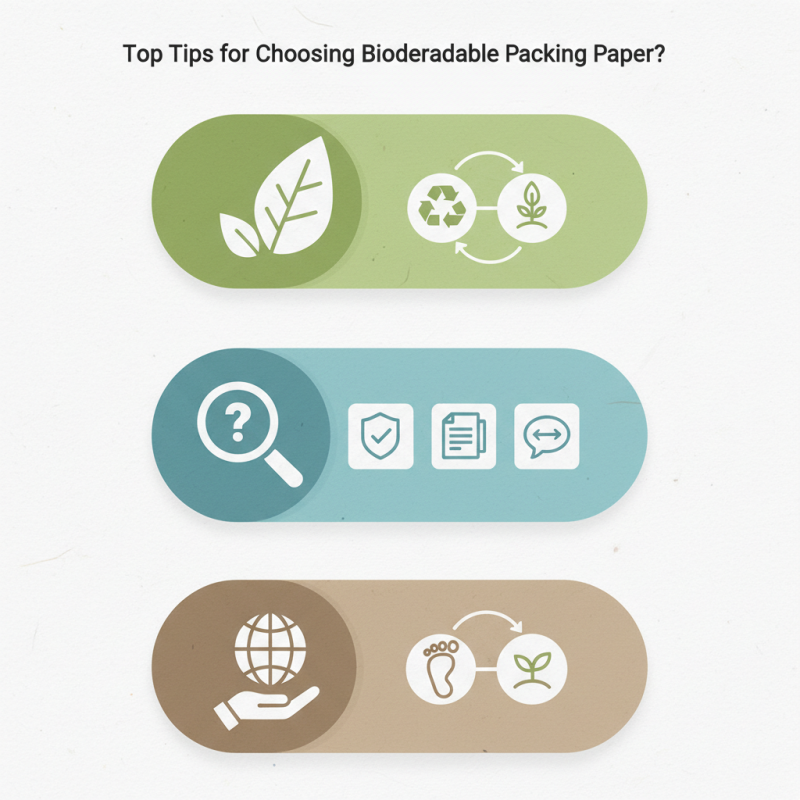
Understanding Biodegradable Packing Paper: Types and Materials
Biodegradable packing paper has become essential in sustainable packaging. Various types are available, catering to different needs. Kraft paper, for instance, is a common option. It is durable and made of natural fibers. This type decomposes efficiently within months when composted properly.
Another popular material is recycled paper. This option often includes post-consumer waste, reducing the demand for new resources. Studies indicate that using recycled materials can save up to 60% in energy compared to virgin materials. However, not all recycled papers break down equally.
Additionally, it’s crucial to consider how these materials are processed. Some biodegradable packing papers are treated with chemicals. These treatments can hinder biodegradability. According to recent reports, untreated papers are more effective in composting environments. Choosing the right biodegradable packing paper requires careful thought about material origins and processing methods.
Key Parameters to Assess Biodegradable Packing Paper Quality
When assessing the quality of biodegradable packing paper, several key parameters come into play. First, consider the materials used in production. Look for papers made from recycled sources or sustainably sourced fibers. This ensures minimal environmental impact. It’s crucial to verify certifications that demonstrate compliance with eco-friendly standards.
Another important factor is the paper's biodegradability rate. Different papers decompose at various speeds. Understanding how quickly a product breaks down in natural environments can help you make an informed decision. A reliable biodegradable paper should degrade within months, not years. Additionally, evaluate its thickness and strength. A sturdy paper will protect your items better while still being eco-conscious.
While aesthetics often matter, the visual appeal should not compromise sustainability. Bright colors and glossy finishes often indicate the addition of harmful chemicals. Seek out natural dyes or unbleached options. It is a balancing act between functionality and ecological impact. Reflect on these elements to find a packing solution that aligns with your values and needs.
Environmental Impact: The Carbon Footprint of Packing Materials
The environmental impact of packing materials is significant. Research shows that traditional packing options generate a high carbon footprint. A study from the National Institute of Environmental Health Science indicates that packing materials contribute to about 20-30% of total greenhouse gas emissions in shipping. This statistic highlights the need for sustainable alternatives.
Biodegradable packing paper presents a viable solution. According to the World Wildlife Fund, it can reduce landfill waste by up to 80%. Unlike plastic, it decomposes efficiently, enriching the soil. Choosing eco-friendly packing drastically lowers harmful emissions. However, the production process of biodegradable materials must also be scrutinized. Some methods may still involve resource-intensive practices that offset the benefits.
Consumers are increasingly aware of these issues. A survey by EcoWatch revealed that 70% of shoppers prioritize sustainable packaging. Nevertheless, not all biodegradable products yield the same benefits. It’s essential to research certifications and compostability claims. After all, the goal is to choose materials that genuinely support environmental sustainability while minimizing our carbon footprint.
Comparing Cost-Effectiveness of Biodegradable vs. Traditional Papers
When comparing the cost-effectiveness of biodegradable and traditional packing papers, a deeper understanding is needed. Biodegradable paper is often perceived as more expensive. According to a recent industry report, it can cost up to 20% more than conventional options. However, evaluating long-term benefits reveals a different picture.
Biodegradable materials typically decompose within 90 to 180 days, minimizing landfill impact. In contrast, traditional paper can take years to break down. A significant factor is the environmental cost associated with disposal. The World Economic Forum highlights that improper waste management costs the global economy over $400 billion yearly. Choosing biodegradable packing paper could potentially reduce this figure.
Additionally, many companies report that transitioning to eco-friendly materials enhances their brand image. A survey indicated that 74% of consumers are willing to pay more for sustainable options. This supports businesses in gaining competitive advantages. However, it's essential to weigh these benefits against initial costs carefully. Not all biodegradable options perform equally, which can affect overall savings and efficiency. This decision requires thorough research and strategic planning.
Cost-Effectiveness Comparison of Biodegradable vs. Traditional Packing Papers
Regulatory Standards and Certifications for Biodegradable Packing Paper
When selecting biodegradable packing paper, understanding regulatory standards and certifications is crucial. Look for papers that meet industry regulations for biodegradability. Investigate if the product meets ASTM D6400 or EN 13432 standards, which ensure compostability. These certifications assure consumers that the packaging will break down safely in industrial composting facilities.
Certifications from reputable organizations can enhance the credibility of biodegradable packing paper. Many products carry labels indicating compliance with environmental standards. However, not all certifications are created equal. Some claims may lack transparency or verification. Research the certifying body to ensure its standards are rigorous.
While appealing, not all biodegradable options decompose effectively. Real-life testing can reveal shortcomings. For instance, some papers may break down in theory but remain intact in home composting environments. Consumers should question the claims made by manufacturers. Engage in discussions with suppliers about their sourcing practices and the lifespan of their products. This diligence fosters informed choices.