Top 10 Tips for Choosing Effective Card Access Control Systems
When it comes to ensuring the security of your premises, selecting the right Card Access Control Systems is paramount. These systems serve as the first line of defense against unauthorized access, making them a critical element in safeguarding both physical assets and sensitive information. With a myriad of options available on the market, narrowing down the choices can be a daunting task. Understanding the essential features and capabilities of these systems can significantly assist in making a well-informed decision.
Choosing an effective Card Access Control System involves more than just evaluating hardware; it's essential to consider factors such as integration capabilities, user-friendliness, and scalability to meet future security needs. Moreover, a thorough assessment of the facility’s specific requirements and potential risks can lead to a tailored solution that enhances security protocols. In this guide, we will explore the top ten tips for selecting Card Access Control Systems that not only meet current safety standards but also offer adaptability to emerging threats. By following these tips, organizations can ensure they invest in systems that provide robust protection while aligning with their operational goals.

Understanding Card Access Control Systems: Key Features to Consider
When choosing a card access control system, understanding its key features is essential for ensuring security and efficiency. First and foremost, consider the technology used in the system. Modern card access control systems may utilize magnetic stripe, proximity, or smart card technologies, each offering varying levels of security and convenience. A system should also support multiple authentication methods, such as PIN codes or biometric verification, to enhance the overall security framework.
Additionally, scalability is a crucial feature to examine. As organizations grow, their access control needs may evolve, necessitating a system that can be easily expanded or integrated with other security solutions. Compatibility with existing infrastructure and software systems is also important for seamless operation. Furthermore, a user-friendly interface for both administrators and users can significantly reduce training time and improve overall efficiency.
Finally, consider advanced features like audit trails and reporting capabilities, as these provide valuable insights into access patterns and can help identify potential security breaches.
Evaluating Security Needs: Identifying Your Access Control Requirements
When evaluating security needs for an effective card access control system, it is crucial to clearly identify your specific access control requirements. Begin by assessing the areas that require restricted access, such as sensitive data rooms, server locations, or valuable inventory spaces. Understand the flow of personnel within your organization and the types of access different employees need, which can help streamline the implementation of your access control system.
Tip: Engage with your team to gather insights on everyday security challenges. Their feedback can reveal common pain points and help you tailor the access solution accordingly.
Furthermore, consider the integration possibilities of your access control system. Would you benefit from a system that integrates with existing security measures, such as surveillance cameras or alarm systems? This can enhance overall security and provide a more comprehensive solution.
Tip: Prioritize systems with flexible scalability options, allowing you to adapt and grow your security measures in line with business changes or expansions. This foresight can save you from the costly process of re-evaluating and overhauling your security measures in the future.
Compatibility and Integration: Ensuring System Flexibility and Scalability
When selecting an effective card access control system, compatibility and integration should be at the forefront of your decision-making process. A system that seamlessly integrates with existing security infrastructure is crucial, as it allows for smooth operations without the need for extensive overhauls. This not only saves time and financial resources but also enhances overall security. Evaluate the interoperability of the card access system with other technologies such as video surveillance and alarm systems to promote a cohesive security strategy.
Scalability is another vital component of a robust access control system. As organizations grow, their security needs often evolve. A flexible card access control system should accommodate expansion without major disruptions. Look for systems that support modular expansion, enabling the addition of new access points or features as required. This adaptability ensures that your security measures evolve in tandem with your organizational needs, ultimately providing peace of mind and a layered defense against potential threats.
Top 10 Tips for Choosing Effective Card Access Control Systems - Compatibility and Integration
| Tip Number |
Tip Description |
Key Considerations |
Impact on Flexibility |
| 1 |
Assess Compatibility with Existing Systems |
Evaluate if new systems can integrate with current security software. |
High |
| 2 |
Look for System Scalability |
Choose systems that can easily add new users and devices. |
Medium |
| 3 |
Check for Multi-Platform Support |
Ensure the system works on various devices like web, mobile, and desktop. |
High |
| 4 |
Evaluate API Availability |
Systems with robust APIs can integrate with third-party applications effectively. |
High |
| 5 |
Consider User Management Features |
Effective tools for user roles and permissions improve system usability. |
Medium |
| 6 |
Ensure Mobile Access Capabilities |
Support for mobile access can greatly enhance convenience and flexibility. |
High |
| 7 |
Review Security Protocols |
High standards for encryption and data protection are crucial. |
High |
| 8 |
Assess the Cost of Ownership |
Consider long-term costs including licensing and maintenance. |
Medium |
| 9 |
Inquire about Vendor Support |
Reliable support can ensure quick resolution of issues. |
Medium |
| 10 |
Test System Functionality |
Before finalizing, conduct a trial to ensure it meets your needs. |
High |
User Interface and Experience: Selecting an Intuitive System for All Users
When selecting a card access control system, ensuring that the user interface and overall experience are intuitive for all users is essential. This not only streamlines the process of granting and revoking access but also reduces the likelihood of errors during operation. A well-designed interface should allow for easy navigation, whether for system administrators managing user permissions or for general users simply needing to gain access to secure areas. Features such as clear labeling, logical layouts, and intuitive controls significantly enhance usability and foster a more secure environment.
Moreover, providing a positive user experience is critical to promoting acceptance of the system among all potential users. Training and support are crucial, but an intuitive design minimizes the learning curve and encourages smart usage from the outset. Accessibility features should also be considered to accommodate users with different needs, ensuring that everyone can interact with the system effectively. Prioritizing these aspects not only improves day-to-day operations but also enhances overall security, making the system a more valuable asset to any organization.
Budget Considerations: Balancing Cost with Quality and Functionality
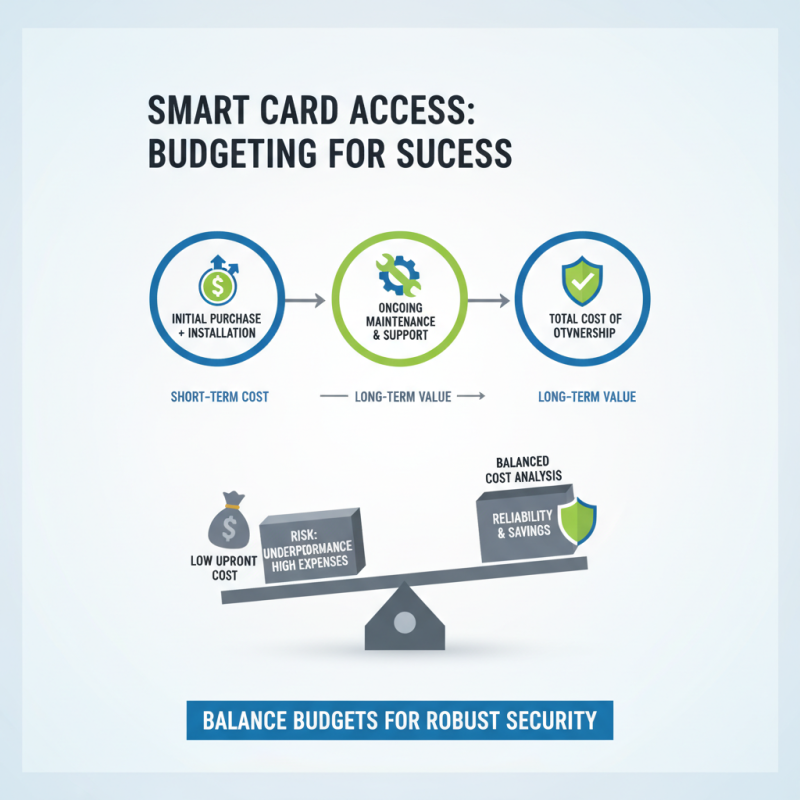
When selecting an effective card access control system, budget considerations play a crucial role in the decision-making process. It is essential to assess the total cost of ownership, which includes initial purchase price, installation expenses, and ongoing maintenance costs. A low upfront cost might seem attractive, but neglecting the total cost can lead to a system that underperforms or incurs higher expenses in the long run. Therefore, a thorough cost analysis that balances short-term budgets with long-term operational needs is imperative.
Finding the right balance between cost, quality, and functionality requires a clear understanding of the specific access control needs of your organization. Engaging in an honest evaluation of your requirements can help you avoid overspending on unnecessary features or settling for a subpar solution that lacks essential functionalities. It's advisable to compare multiple options, weighing their features against their costs, to ensure that the chosen system provides adequate security and user satisfaction without straining your budget. Prioritizing solutions that offer scalability can also be beneficial, as they can adapt to your organization's evolving security demands over time without necessitating a complete system overhaul.