2025 Top Security Access Control Systems: Innovations and Trends
In an era where security is paramount, the evolution of Security Access Control Systems continues to shape the landscape of risk management and protection. As we approach 2025, industry experts are keen to highlight the innovations and trends that are driving this pivotal sector. According to John Smith, a leading figure in access control technology, "The future of Security Access Control Systems will be defined by integration, user experience, and the adoption of cutting-edge technologies."
With advancements in artificial intelligence, biometric verification, and IoT integration, the Security Access Control Systems of the future promise to enhance security measures while providing seamless access to authorized personnel. This shift is not only about safeguarding physical spaces but also about creating a robust ecosystem that responds adaptively to emerging threats.
As organizations strive to improve their security protocols, understanding the latest innovations and trends in Security Access Control Systems will be crucial. In this guide, we will explore the significant developments in the industry, offering valuable insights and tips to help businesses prepare for the challenges and opportunities that lie ahead.
Innovative Technologies Shaping Access Control Systems in 2025
In 2025, the landscape of access control systems is markedly transformed by innovative technologies that emphasize security and convenience. One of the most significant advancements is the integration of artificial intelligence (AI) and machine learning. These technologies enhance security measures by allowing systems to learn from user behavior patterns, quickly identifying anomalies that could signify unauthorized access. Moreover, AI-driven analytics can improve visitor management by providing real-time insights and allowing for predictive security strategies.
Another trend shaping access control systems is the proliferation of biometric authentication methods. From fingerprint and facial recognition to iris scanning, these solutions offer a higher level of security compared to traditional keycards. As these biometric technologies become more accessible and cost-effective, businesses are adopting them to streamline user authentication processes. This shift not only mitigates risks associated with lost or stolen access cards but also enhances user experience through quick and frictionless entry solutions, reflecting the growing demand for secure environments in both commercial and residential sectors.
Emerging Trends in Biometric Security Solutions
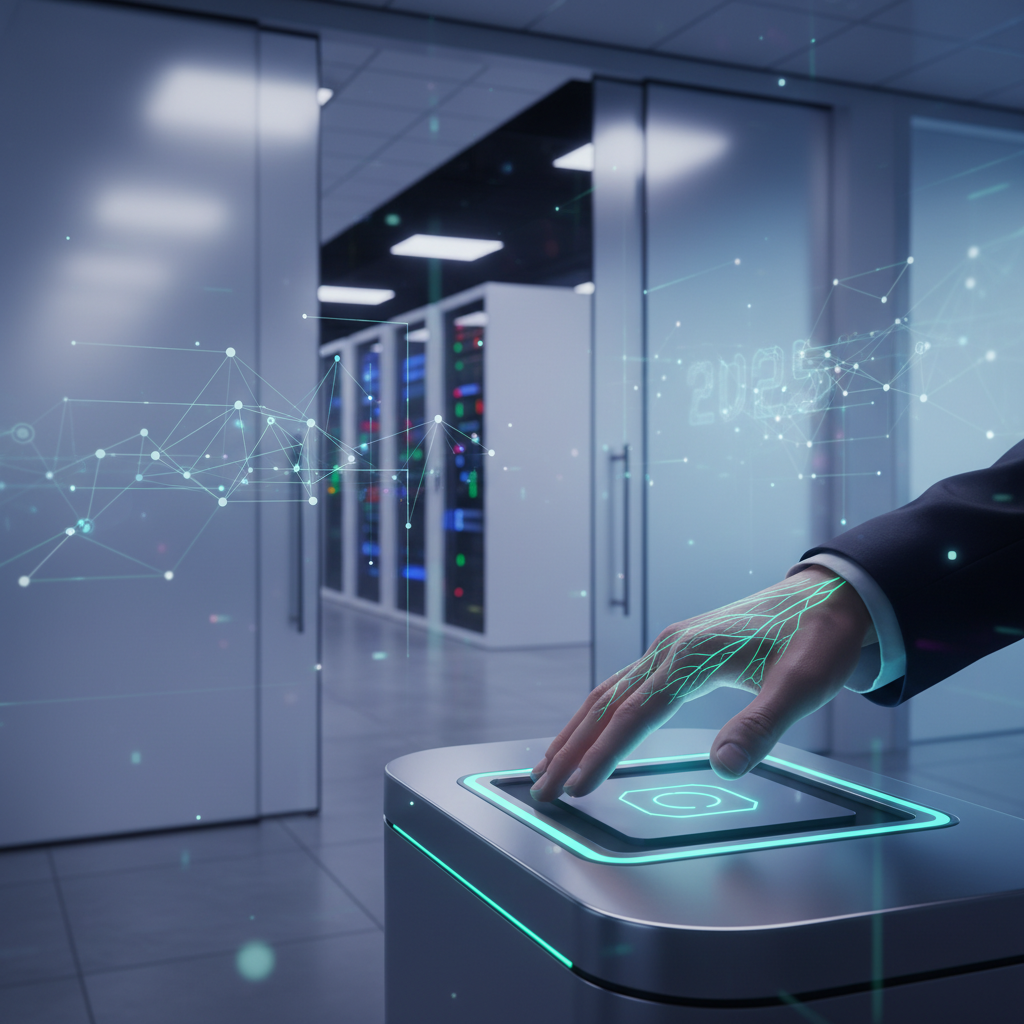
Emerging trends in biometric security solutions are reshaping the landscape of access control systems as we approach 2025. One of the key developments is the rising prevalence of palm vein biometrics, projected to reach a market size of $6.8 billion by 2033. This technology offers a high level of accuracy and security, making it particularly appealing for sectors like healthcare and financial services. As organizations increasingly prioritize secure authentication, innovations in palm vein technology and its applications are set to drive significant growth in this market.
Tips for implementing biometric systems effectively include ensuring user privacy and security through robust data protection measures. Additionally, organizations should invest in educating their staff and clients about the benefits and functionalities of biometric solutions to enhance user adoption. Furthermore, as deepfake technology becomes more sophisticated, pairing traditional biometrics with advanced behavioral biometric solutions can help mitigate potential security risks, paving the way for a more secure future in access control systems.
The Role of IoT in Modern Access Control Systems
The Internet of Things (IoT) is revolutionizing modern access control systems by integrating advanced technologies that enhance security and streamline operations. In 2025, we expect to see an increased adoption of smart locks, biometric scanners, and mobile credentials that communicate through IoT-enabled devices. These innovations allow for real-time monitoring and management of access points, enabling organizations to quickly respond to security breaches and unauthorized entries. By utilizing IoT sensors, businesses can gather data on entry patterns and adjust their security measures accordingly, improving overall safety.
Moreover, the integration of IoT in access control systems fosters a more user-friendly experience. With mobile apps and cloud-based management platforms, users can conveniently grant or revoke access remotely, monitor who is entering and exiting facilities, and receive instant alerts on security events. This level of automation not only increases efficiency but also reduces the administrative burden on security personnel. As IoT technology continues to evolve, it will play a crucial role in shaping the future landscape of access control systems, ultimately making them more adaptive and resilient.
Integrating AI for Enhanced Security and User Experience
As the realm of security access control systems evolves towards 2025, the integration of artificial intelligence (AI) is poised to redefine security and user experience significantly. AI is transitioning from a mere tool to a transformative force within industries, driving efficiency and reshaping how organizations approach security challenges. Companies that fully embrace AI are reaping the benefits of enhanced operational effectiveness and improved decision-making processes.
The emergence of sophisticated AI technologies allows for more agile identity governance and management, shifting from traditional compliance-driven methods to dynamic, intelligent controls. By leveraging AI, organizations can achieve a new level of identity security that not only responds to current threats but also anticipates potential vulnerabilities. This trend reflects a broader move towards implementing smart systems that prioritize user experience while enhancing overall security, thereby establishing more secure environments for both businesses and their customers.
Future-Proofing Security: Strategies for Evolving Access Control Needs
As we look towards 2025, the evolution of access control systems is becoming increasingly critical to meet the dynamic security needs of businesses and organizations.
Future-proofing security involves adopting innovative strategies that not only address current vulnerabilities but also anticipate future challenges.
Implementing biometric identification, artificial intelligence, and machine learning technologies can enhance decision-making processes and expedite response times while ensuring a higher level of accuracy and reliability in verifying identities.
Moreover, the integration of cloud-based systems allows for seamless updates and scalability, enabling organizations to adapt to growing access control demands without overhauling existing infrastructure.
Organizations must also prioritize interoperability among different systems, ensuring that new technologies can communicate effectively with legacy systems.
By fostering a culture of continuous improvement and staying attuned to emerging trends, businesses can create a robust security framework that will safeguard assets and data while remaining flexible in the face of change.