
Why Choose a Light Down Sleeping Bag?

A Light Down Sleeping Bag can make a long trail feel kinder on the shoulders. It compresses neatly beside a rain shell, leaving room for food and a dry pair of socks. The appeal is practical: less packed weight, reliable warmth, and a smaller bundle at camp. But lighter is not automatically better. A thin bag can feel cold when damp or poorly matched to the night’s forecast.

Outdoor Industry Association’s 2024 Outdoor Participation Trends Report estimated that 175.8 million Americans took part in outdoor recreation in 2023. That figure does not measure sleeping-bag sales, but it shows the scale of outdoor participation behind demand for capable, portable gear. For a useful comparison, check the bag’s temperature rating, fill-power specification, total weight, and packed volume. Also inspect the hood, draft collar, and zipper; small design details matter at 2 a.m.

Backpacking educator Andrew Skurka is known for advising hikers to choose gear according to the route and conditions, rather than habit. That principle fits down bags well: insulation quality, fit, and moisture management deserve as much attention as grams saved. Every ounce counts. Still, a few extra ounces may be worth carrying for dependable warmth. Down performance varies, and published ratings do not guarantee comfort for every sleeper. A careful choice starts with honest questions: How cold will the nights be? Can the bag stay dry? And will it still feel comfortable after hours on the trail?
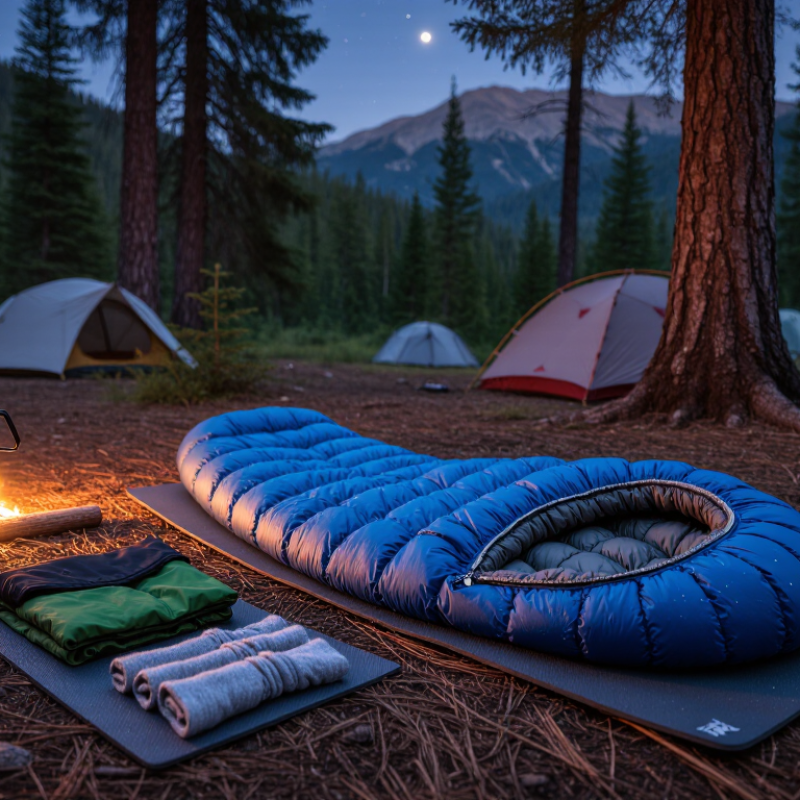
Why Choose a Light Down Sleeping Bag?

What Defines a Light Down Sleeping Bag?

A light down sleeping bag pairs compressible insulation with a lighter shell and a streamlined design. It is not defined by one number. Total weight depends on the down fill, fabric, zipper, hood, and construction. A bag may pack small yet feel chilly if it uses too little insulation for the expected conditions.

Fill power describes how much loft a given amount of down can provide, but it does not determine warmth by itself. Fill weight and baffle layout matter too. So do fit, drafts, and the temperature rating. Ratings are useful comparisons, not personal guarantees; cold sleepers may need more warmth. It is easy to overvalue a low packed weight. I’d compare warmth and weight together, then check whether the rating suits the trip.

Tips: Check the bag’s packed weight and temperature rating, and compare them with your expected overnight lows. Store down dry, and use a sleeping pad suited to the ground conditions. A lighter bag can be a smart choice, but shaving weight too aggressively may cost comfort.

How Down Insulation Combines Warmth with Low Weight

A light down sleeping bag gets much of its warmth from the air held inside its insulation. Down clusters expand into a soft, springy layer when the bag is unpacked. That loft slows heat moving away from your body. More loft can provide useful insulation without adding much weight, which matters when every item shares space in a small pack. The bag also compresses neatly. Handy at camp.

The advantage depends on keeping the down dry. Damp clusters lose loft, so a humid night or condensation inside a tent can reduce warmth. A well-fitted hood and draft collar help limit heat escaping around your head and shoulders. Check the temperature rating, too; it is a guide, not a promise, since cold sleepers and tired bodies vary. Fit matters. A bag that is too roomy leaves extra air to warm, while one that feels tight can press down flat. It is easy to focus on the light weight and overlook those details. I would rather carry a few extra ounces than wake up shivering because the bag felt impressive on paper.

Key Advantages for Backpacking and Travel

Why Choose a Light Down Sleeping Bag? Key Advantages for Backpacking and Travel

A light down sleeping bag can reduce the weight and bulk you carry on a multi-day hike. That leaves more room for food, water, or a dry layer in your pack. On travel days, a smaller packed bag is easier to fit beneath a seat or into a crowded luggage compartment. Less weight matters most after several hours on uneven trails. Down also compresses well, though it needs care when wet. Check the bag’s temperature rating, and remember that personal comfort varies with clothing, fatigue, and conditions. A rating is a guide, not a guarantee.

Tips: Store the bag loosely at home to protect its loft. Pack it in a waterproof liner on damp trips. Bring a sleeping pad; insulation beneath you affects warmth.

Choosing the lightest option is not always the best trade-off. A thin bag may save grams but feel cold during a windy night, especially if your shelter is exposed. Check the packed dimensions, fill details, and care instructions before buying. Also consider whether you can dry it during your trip. It is easy to obsess over weight and overlook comfort. A few extra grams may be worth carrying.

Why Choose a Light Down Sleeping Bag? - Key Advantages for Backpacking and Travel

Advantage What It Means Benefit for Backpacking and Travel Practical Consideration
Low weight for its warmth Down clusters trap still air, providing insulation with relatively little material. A lighter sleep system can reduce pack weight on long hikes and multi-day trips. Compare bags with similar comfort-temperature ratings, shape, and features; weight varies by design and size.
Small packed size Down compresses considerably, so a bag can pack into a compact stuff sack. Leaves more room for food and other essentials in a backpack or luggage. Packed volume depends on fill amount, fabric, construction, and how the bag is packed.
Efficient insulation Lofted down creates insulating air spaces around the sleeper. A useful choice when carrying a warm sleep system is important, such as on lightweight backpacking trips. Warmth also depends on fit, hood and draft features, sleeping pad insulation, clothing, and individual comfort.
Easy to carry between trips A compact, lightweight bag is convenient to move and store during travel. Works well for trips where space is limited, including trekking, bikepacking, and travel to campsites. Use a storage sack or hang the bag for long-term storage rather than keeping it compressed.
Long service life with proper care Quality down insulation can retain useful loft over many trips when kept clean and stored correctly. One well-maintained bag may serve for many seasons of outdoor use. Follow the care label; avoid prolonged compression and ensure the bag is fully dry before storage.
Moisture-sensitive insulation When down becomes wet, it can lose loft and insulating performance until it dries. Best suited to trips where the bag can be protected from rain, condensation, and damp ground. Use a waterproof pack liner or dry bag, ventilate the shelter, and check whether the bag has a water-resistant treatment.
Higher initial cost is common Down bags often cost more than comparable synthetic-insulated bags. The lower weight and smaller packed size may be worthwhile for frequent trips or strict pack-weight limits. Choose based on trip conditions, care requirements, budget, and the warmth rating you actually need.

Conditions Best Suited to Lightweight Down Bags

A lightweight down sleeping bag suits trips where every ounce matters, especially summer backpacking, long trail days, and hut-to-hut routes with dependable shelter. Its strong warmth-to-weight ratio keeps pack volume modest, leaving room for food and a dry layer. On cool, dry nights, the loft traps body heat without adding much weight.

Very little bulk. A smaller pack can feel less crowded on a steep climb.

These bags work best when rain, condensation, and damp ground are managed carefully. Down loses loft when wet, so use a waterproof pack liner and ventilate your tent when conditions allow. In humid forests or exposed camps with likely rain, synthetic insulation may be more forgiving.

Check the comfort rating against expected nighttime lows, then allow for wind, fatigue, and personal cold sensitivity. Ratings vary, and sleepers do too. It is easy to misjudge a breezy campsite; a thin sleeping pad can make a mild forecast feel misleadingly optimistic.

That matters. Lightweight down is a considered choice, not a universal one.

Factors to Weigh Before Choosing One

A light down sleeping bag can cut pack weight, but low weight alone does not make it the right choice. Check the temperature rating against the coldest nights you expect, not the warmest forecast. Ratings are useful guides, not guarantees. If you sleep cold, leave room for a warm base layer and a dry pair of socks.

Fit affects warmth, too. A bag that feels roomy at home may let heat escape around your shoulders outdoors. One that is too tight can compress the insulation. Try lying in your usual sleeping position, with your knees bent. Check whether the hood stays in place and the zipper moves without catching fabric. Small details matter.

Consider where you will use it. Down can lose insulating power when wet, so damp campsites call for extra care with a dry storage sack and tent ventilation. Shell fabric, zipper quality, and repair options also deserve attention; a tiny snag can become frustrating on a longer trip. Compare packed size and total weight, including the stuff sack. Care takes effort. I would not choose the lightest option automatically: shaving a few ounces may feel less valuable than getting reliable warmth and a comfortable fit.

Go to Top