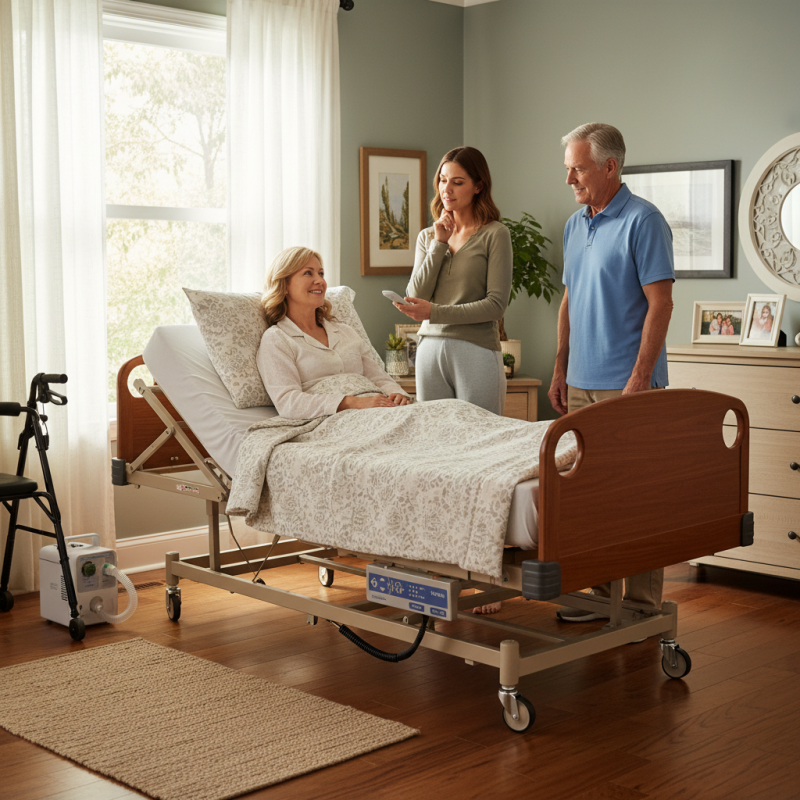
Why Choose Electric Hospital Beds for Sale for Home Care?
When it comes to home care, comfort and safety are crucial. Many families consider electric hospital beds for sale to enhance patient care. These beds provide adjustable positions, making it easier for caregivers to assist loved ones.
Imagine a family member recovering from surgery. An electric hospital bed can help them sit up, reducing discomfort and aiding in recovery. It offers various heights, allowing caregivers to work without strain. However, not every bed meets specific needs. Some may be too complex for simple tasks, leading to frustration.
Selecting the right electric hospital bed for sale can seem overwhelming. The market offers many options, but not all provide the level of support required. Taking time to evaluate each feature can make a significant difference. Families need to reflect on priorities and preferences while navigating this important decision.
Benefits of Electric Hospital Beds for Home Care Settings
Electric hospital beds for home care offer significant benefits. These beds provide comfort and adjustability for patients. They are designed to support various medical needs. Adjusting the bed height helps caregivers. This makes transferring patients safer and easier.
One of the greatest advantages is increased patient comfort. Many electric beds have memory foam mattresses. This can relieve pressure and improve sleep quality. Patients can easily adjust their position with a simple remote. This allows for better circulation and less discomfort.
Tips: When choosing an electric bed, consider its weight capacity. Think about the mobility of the patient and their specific needs. Not all beds fit every situation.
Keep in mind that some beds can have steep learning curves. Caregivers may struggle initially with the controls. Take time to practice and understand all the features fully. Don't hesitate to ask for guidance if needed.
Key Features to Consider When Choosing Electric Hospital Beds
When selecting electric hospital beds for home care, consider several key features. One important aspect is adjustability. Adjustable beds allow users to find their most comfortable position. This can help alleviate pressure points and improve circulation. Look for batteries that ensure functionality during power outages. Safety is crucial; rails can prevent falls at night.
Focus on the weight capacity. Not all beds can support heavier individuals. Choose a bed with a higher capacity for greater peace of mind. Ease of use is also vital. Controls should be user-friendly, allowing for smooth adjustments.
**Tip:** Always check the dimensions of the bed. Make sure it fits the space available in your home.
Another consideration is mattress compatibility. Some beds come with specialized mattresses. A good mattress can enhance comfort and support. Don't forget about warranty options. You want protection for your investment.
**Tip:** Talk to a healthcare provider. Their advice can guide your selection. It's easy to overlook user needs. Reflect on what features matter most to you and your loved ones.
Comparative Analysis: Electric vs. Manual Hospital Beds
When choosing between electric and manual hospital beds for home care, key differences emerge. Electric beds can adjust positions at the touch of a button. This feature is crucial for patients with limited mobility. A study by the Journal of Rehabilitation Research indicates that electric beds reduce caregiver strain by up to 50%. This statistic highlights their effectiveness in enhancing comfort and convenience.
Manual beds require physical effort to adjust positions, which can be challenging for caregivers. Often, they lack the flexibility that electric options provide. Research from the Home Healthcare Association shows that 68% of families prefer electric beds due to ease of use. Yet, not every user finds them intuitive. Some may struggle with navigating controls, leading to frustration.
Cost is another factor to consider. Electric beds tend to be pricier than manual ones. On average, an electric bed may cost 30% more. However, the investment can lead to long-term benefits in patient care quality. Accessibility and convenience may outweigh the higher price for many families. In the end, it’s essential to weigh comfort against practicality and consider individual needs.
Safety and Comfort Enhancements of Electric Hospital Beds
Electric hospital beds offer significant safety and comfort enhancements for home care. Patients can adjust their position easily, promoting better circulation and reducing the risk of pressure sores. These beds often come equipped with side rails. The rails help prevent falls during the night. A secure environment is crucial for both patients and caregivers.
Comfort is also vital in home care. Electric beds allow for personalized adjustments. Patients can elevate their head or legs with just the push of a button. This feature aids in breathing, digestion, and overall comfort. However, not all electric beds are perfect. Some users report issues with control mechanisms, which can be frustrating.
In terms of safety, many electric beds have built-in safety features. These include automatic shut-off options and sturdy frames. Yet, the weight capacity varies, so careful consideration is necessary. Parents and guardians should evaluate the risks and benefits thoroughly. Balancing comfort with safety can be challenging, but electric hospital beds can respond to these needs effectively.
Cost-Effectiveness and Long-Term Value of Electric Hospital Beds
Electric hospital beds provide unique advantages for home care, focusing on cost-effectiveness and long-term value. According to a recent industry report, these beds can reduce the need for in-home care professionals by an estimated 30%. This can lead to significant savings for families over time. Investing in an electric bed can often pay for itself in reduced care costs.
Moreover, electric beds enhance patient comfort and safety. These beds can be adjusted easily, promoting better circulation and preventing bedsores. Statistics reveal that pressure ulcers affect 1 in 10 hospitalized patients. A comfortable and adjustable bed can minimize this risk at home. However, it’s essential to consider maintenance costs. While recovery and comfort are priorities, unexpected repairs can arise.
Long-term value is apparent when considering durability. Quality electric beds can last for 10 years or more with proper care. They also hold resale value, unlike traditional beds. Many families find this investment pays off as the need for mobility or assistance grows. Worries about upfront costs are common. Balancing immediate expenses with future savings requires thoughtful planning.